


Beyond the Magic Trick: What Makes Children's Entertainment Really Work?

A magician can make something disappear. A balloon artist can twist a balloon into a dog. A DJ can play a popular song.
But what separates someone who simply performs an activity from an entertainer who can keep an entire audience laughing?
Sometimes, it has very little to do with the trick itself.
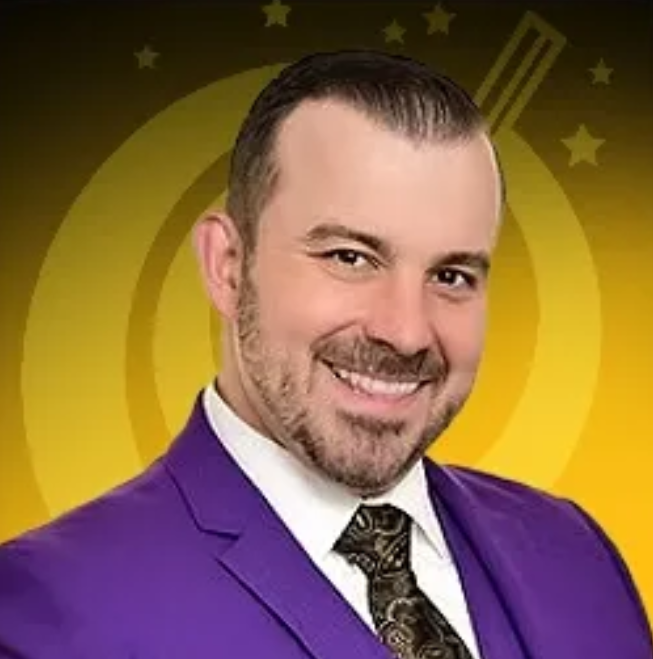
That's something that came through in my conversation with Pete and Chris, two brothers who have built their entertainment careers around a combination of magic, slapstick comedy, balloon twisting, DJing and more.
I've worked with these guys for years through Magical Memories Entertainment and they're two of the most versatile entertainers I've encountered. They have a natural chemistry that makes even a simple conversation entertaining.
But what I found especially interesting was how that chemistry translates into so many different types of performances.
The Secret Ingredient in Their Magic Shows Isn't Actually Magic
When I asked Pete and Chris what makes their magic shows different from those of other magicians, they had a pretty straightforward explanation.
Their shows are built around comedy, particularly the natural disagreements between the two brothers.
One plays the wacky personality who comes up with outrageous ideas. The other takes on the role of the more serious straight man who reacts to the chaos.

They described their performance style as a combination of the Three Stooges and Penn & Teller.
And what's interesting is that this dynamic wasn't something they invented specifically for the stage.
It's how they've interacted their entire lives.

As they explained during our conversation, one brother tends to come up with ambitious or unusual ideas while the other questions whether they're such a good idea.
That same back and forth has become a fundamental part of their act.
Why Natural Chemistry Matters in a Two Person Magic Show
In a traditional magic show, the mystery of the trick may be the main attraction.
With Pete and Chris, the relationship between the performers becomes part of the entertainment.
A trick can go wrong on purpose. One brother can become frustrated with the other. A routine can escalate into an argument that has the children laughing before the magical effect even happens.
This creates two things for the audience to follow: the magic itself and the comedy unfolding between the performers.
It's also why their performances don't rely exclusively on complicated illusions.
Sometimes, the personalities are just as entertaining as the effects.
There's an important distinction here. Their disagreements are part of the comedy, but the relationship behind them is genuine. Because they've been brothers their whole lives, they don't have to manufacture that familiarity.
Their real personalities provide the foundation for their stage characters.
Turning Balloon Twisting Into an Actual Performance
One of the most interesting examples Pete and Chris shared had nothing to do with a traditional stage show.
It involved entertaining passengers aboard holiday trains.
During one holiday season, they described working across 25 days and 78 train rides, performing as elves while creating balloon animals for passengers.

They estimated that they entertained more than 25,000 people over the course of the season.
That's a lot of balloons.
But the number wasn't what stood out to me.
It was what they were doing while making them.
Instead of entering a train car, twisting balloons and moving on, they treated every car as its own small audience.
They introduced themselves in character, performed comedy routines, joked with the children and incorporated balloon twisting into the entertainment.
The balloons were the activity, but the interaction was the performance.
The Difference Between Giving Someone Something and Entertaining Them
Consider two different balloon twisting experiences.
In the first, a child approaches a balloon artist, requests a balloon animal, waits while it's made and walks away.
In the second, the balloon artist jokes with the child, performs a few silly routines, creates some anticipation and makes the balloon animal part of the interaction.
Both children leave with a balloon.
But the second experience offers something beyond the finished creation.
Pete and Chris have developed their balloon twisting around that concept. They explained that they'll perform comedy while working and sometimes make balloon creations with their eyes closed or behind their backs.
The skill of making the balloon becomes another opportunity to entertain.
This is an important distinction for live entertainment.
Not every memorable performance requires a stage, a microphone or a large production.
Sometimes, it's a few minutes of genuine interaction with a small group of people.
Why the Same Routine Can Work for Thousands of Different People
Performing aboard those holiday trains also raised a question I wanted to explore.
How do you keep doing the same thing over and over without the performance becoming stale?
After all, Pete and Chris were moving through train cars, entertaining new groups of passengers throughout the day.
Their answer revealed an interesting aspect of live entertainment.
For the audience, the performance was new every time.
A joke that had been told in the previous train car was still a brand new joke to the people in the next one.
The performers didn't need to completely reinvent their material for every audience.
They needed to deliver it as though it mattered every time.
Pete and Chris compared this to strolling magic. A magician might perform the same trick dozens of times during an event, but each new group experiences it for the first time.
That doesn't mean entertainers should stop developing their material.
In fact, Pete and Chris explained that they sometimes test new jokes during these performances, paying attention to which ones get laughs and which ones don't.
It's a little like a comedian testing material in front of an audience.
The established routines provide a dependable foundation while the interactions create opportunities for something new.
And when a joke doesn't land?
Well, there's another audience in the next train car.
A Good Children's Entertainer Knows What Kind of Show They're Performing
Another important point Pete and Chris emphasized was knowing exactly what type of entertainment they provide.
Their magic show isn't designed to be a formal demonstration of sophisticated illusions.
It's a children's comedy show that happens to include magic.

They make that distinction clear because they don't want audiences expecting something completely different.
Their humor is intentionally silly, physical and sometimes a little ridiculous.
Children are the primary audience.
Adults often enjoy the show too, but the material is built around what makes children laugh.
That's an important part of performance judgment.
There isn't one correct way to entertain children.
Some magic shows are built around wonder and mystery. Others emphasize storytelling, audience participation or educational themes.
That's why children's magic shows can offer such different experiences, depending on the performer's style and the audience they're entertaining.
Pete and Chris have developed a particular style and they understand what makes it work.
Rather than trying to make their show fit every possible expectation, they focus on delivering the type of experience they've spent years developing.
How Themed Magic Shows Create a Different Experience
Pete and Chris also talked about how much they enjoy developing themed performances.
Their repertoire includes Halloween, Christmas, pirate, alien and superhero magic shows.
Seasonal celebrations offer another opportunity for themed entertainment, with costumes, props and performance styles helping bring an event's theme to life.
For library programs, they've even created shows around specific summer reading themes.
What's interesting is that they don't simply change the name of the show.
The themes influence the material and presentation.
Their Halloween show, for example, incorporates larger theatrical elements, including props and animatronics.
Their pirate show includes a sea shanty, which adds a musical component to the performance.
These details help give each show its own personality.
A Theme Works Best When It's Part of the Entertainment
There's a difference between putting a performer in a costume and developing a performance around a theme.
A costume can establish the character immediately.
But incorporating themed routines, music, comedy and props gives the audience more opportunities to experience that theme throughout the show.
For Pete and Chris, this also provides a way to keep their own work interesting.
Even when the basic skills remain the same, changing the creative setting opens the door to different jokes, routines and presentations.
It's one of the ways they've continued expanding their entertainment repertoire over the years.
What Happens When Something Goes Wrong on Stage?
Of course, not everything in live entertainment goes according to plan.
Pete and Chris shared a story from an early performance at Great Wolf Lodge that illustrates just how important experience and improvisation can be.
During the show, Chris became sick from food poisoning and had to leave the stage.
That left Pete alone in the middle of a performance designed for two people.
At the time, they hadn't developed the improvisational skills they have today.
Pete suddenly had to figure out what to do with an audience waiting for the show to continue.
Looking back, they explained that they would be much better equipped to handle that situation now.
It's a useful example of something audiences don't always recognize.
An experienced entertainer isn't simply someone who knows their routines.
Experience also means learning how to respond when the expected routine is no longer possible.
A performer may need to adjust the pacing, interact with the audience or change direction entirely.
Those skills are difficult to develop without spending time performing in front of real people.
And sometimes, the lessons come from situations nobody could have planned.
Entertainment Is About Understanding the People in Front of You
Pete and Chris work across a wide range of entertainment settings, including children's magic shows, weddings, festivals, DJ events and character appearances.
Naturally, those environments don't all require the same approach.
When discussing DJing, for example, they talked about understanding the musical preferences of an audience and using the microphone to encourage participation.
They also acknowledged something every experienced DJ eventually learns.
Not every crowd is going to dance.
You can play music, encourage participation and work to build energy, but you can't force someone to get out of their seat.
That observation connects back to their approach to children's entertainment.
An entertainer can create opportunities for guests to participate, but the audience ultimately determines how it responds.
The goal is to recognize those responses and work with them.
For Pete and Chris, that might mean leaning further into silly comedy for a group of children, incorporating more interaction into balloon twisting or choosing a different musical direction during a DJ event.
The activity changes, but the underlying skill remains similar.
It's about paying attention to the people you're entertaining.
The Real Goal Is the Reaction
Toward the end of our conversation, I asked Pete and Chris what makes their work meaningful after so many years of performing.
Their answer was simple.
They enjoy seeing people have fun.
They talked about the excitement of watching children experience their first magic show and seeing people's reactions to something they haven't encountered before.
Those moments continue to make the work worthwhile, even after thousands of performances.
And I think that connects everything we discussed.
The magic trick, the balloon animal, the DJ music and the elaborate props are all tools.
What matters is what happens between the performer and the audience.
A balloon animal might take only a minute to make, but the child might remember the joke that came with it.
A magic trick might last only a few seconds, but the laughter surrounding it can become the part everyone talks about afterward.
Pete and Chris have built their performances around understanding that difference.
And it's a good reminder that the most important part of entertainment isn't always what the performer does. It's how the audience experiences it.
Watch the Full Conversation With Pete & Chris
There's a lot more to Pete and Chris than their comedy magic shows.
In our full conversation on Magical Memories Unlocked, we discuss how two brothers with very different personalities built careers in entertainment, the unusual opportunities they've experienced and what they've learned from working with audiences of all sizes.
We also get into the realities of working together as family, developing new entertainment skills and keeping the job enjoyable after years of constant performances.

At Magical Memories Entertainment, conversations like these are part of why we created Magical Memories Unlocked. They give us the opportunity to explore the people and the thinking behind the entertainment we bring to events.
oin us live every Monday for another Magical Memories Unlocked: Entertainer Deep Dive, where we get to know the entertainers, their experiences and the craft behind what they do.
Comments