


Why Even Professional Jugglers Drop: What Circus Performance Teaches Us About Mistakes
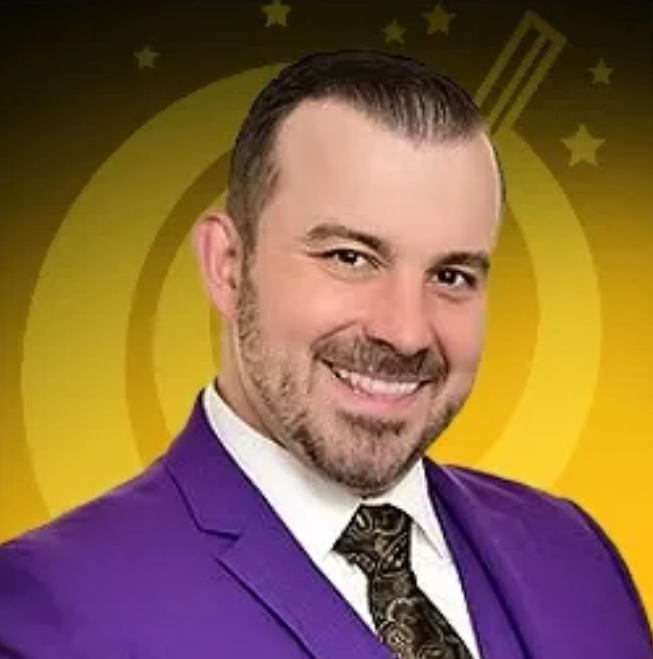
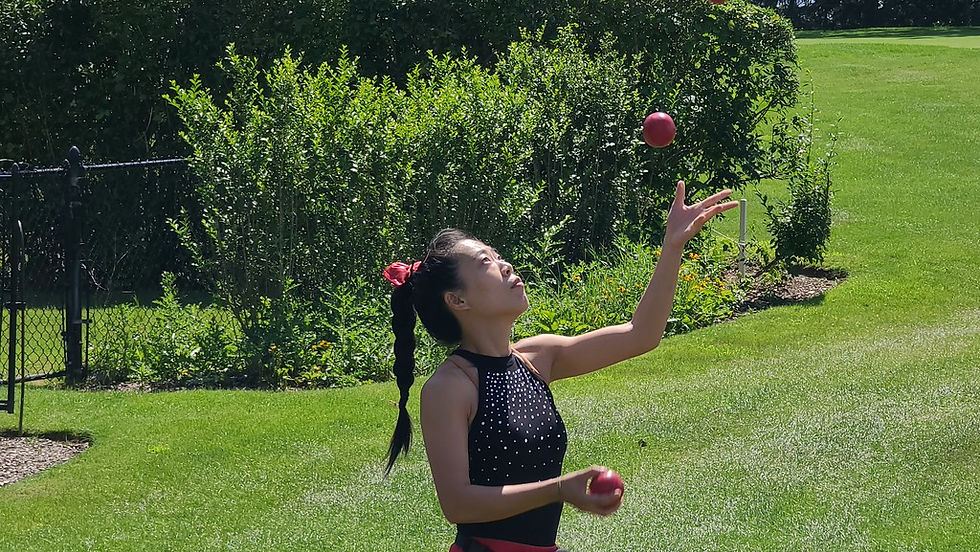
When you watch a professional juggler perform, you expect them to catch everything.
Three balls flying through the air. Clubs passing between performers. Objects spinning and moving in patterns that seem almost impossible to follow.
And then something drops.
For an audience member, that might look like a mistake. But for a professional circus entertainer, dropping is something much more interesting.
It's part of the process.
During a conversation on Magical Memories Unlocked, I spoke with circus entertainer and educator Joyce Kung about what it actually takes to develop and perform circus skills.
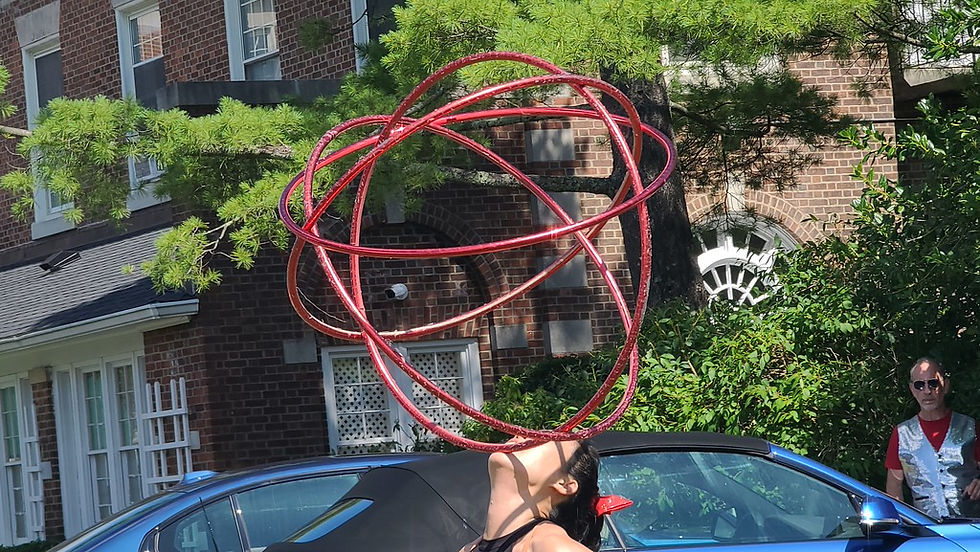
Joyce works with juggling, hula hoops, unicycles, Chinese yo-yos and several other circus disciplines.
One of the most interesting things she shared was that becoming a great performer isn't just about learning how to do difficult tricks. It's also about learning what happens when they don't go as planned.
Why Dropping Is an Inevitable Part of Juggling
Joyce made a point that sounds simple but changes how you look at a juggling performance.
Even professional jugglers drop.
It isn't necessarily a sign that someone isn't skilled enough. In fact, Joyce explained that there's a balance between performing tricks you can do consistently and challenging yourself with new ones.
If a performer never attempts anything beyond what they've already mastered, their skills may stop developing.
But there's another side to that equation.
Attempt too many difficult tricks in front of an audience and the performance can become frustrating rather than entertaining.
The challenge is finding the right balance.
Joyce described it as taking a little risk each time without taking so much that the entire performance suffers.
That's a different way of thinking about professional entertainment. The goal isn't necessarily to eliminate every possibility of failure. It's to develop enough experience and control to know which risks are worth taking.
The Real Skill Is Knowing What to Do After a Mistake
One of the most revealing parts of our conversation was how Joyce approaches dropping something during a performance.
She explained that if she becomes visibly uncomfortable after dropping a prop, the audience can pick up on that feeling.
Instead, she tries to stay comfortable, make a joke when appropriate, pick up the prop and continue.
That ability doesn't come from learning how to juggle alone.
It comes from learning how to perform.
Consider the difference between practicing a juggling pattern by yourself and doing that same pattern in front of an audience.
When you're practicing, your attention is on the objects. You're watching the pattern, concentrating on your timing and trying to improve your consistency.
During a live performance, you have a completely different responsibility.

You still need to manage the juggling pattern, but now you're also paying attention to the people watching.
Are they engaged? Are they following what you're doing? Are you making eye contact? Can you respond naturally when something unexpected happens?
Joyce pointed out that even being able to look at an audience while juggling is a skill that requires practice.
It's something she hadn't initially thought about when she was learning tricks.
And unlike practicing throws and catches on your own, becoming comfortable interacting with an audience requires actual performance experience.
Knowing a Circus Trick Isn't the Same as Knowing How to Perform It
There was another distinction Joyce made that I thought was particularly useful.
She described two different kinds of circus artists.
Some people love performing and learn juggling because it's something they can incorporate into their shows.
Others fall in love with juggling first and then have to learn how to present those skills to an audience.
Joyce places herself in the second category.
She loves circus arts and has spent years developing her technical abilities. But she's also continuing to explore how to make those abilities entertaining rather than simply demonstrating what she can do.
That's an important difference.
A difficult trick isn't automatically an interesting performance.
A circus entertainer has to think about how the trick is presented, how it fits with the rest of the act and how it connects with the audience.
Sometimes that might mean incorporating comedy or changing the movement of a routine.
Other times it might mean choosing a relatively simple trick that creates a stronger audience reaction.
Joyce has even been experimenting with spending less time repeating difficult patterns and more time playing with her props.
Instead of measuring how many times she can successfully throw a particular juggling pattern, she's exploring how a single object can become part of a movement, a story or a funny moment.
The idea is to create something she's excited to perform, not just something technically difficult.
Why Circus Performers Need More Than Technical Skill
A juggler can practice a trick hundreds of times in a familiar environment. But live events introduce variables that don't exist in practice.
Joyce talked about performing in spaces with low ceilings, limited room and challenging lighting.
A juggling pattern that works perfectly in one setting might need to change completely in another.
Then there's the audience itself.
Someone watching from a distance may respond differently from someone standing a few feet away. Children might be excited by a dramatic high throw while adults may appreciate the intricate control involved in a complicated Chinese yo-yo routine.
The same physical skill can create very different reactions depending on how it's presented.
This is one reason Joyce values having experience across multiple circus disciplines.
This versatility is part of what makes circus entertainment so engaging, with different acts offering performers creative ways to adapt to the audience and event setting.
If the ceiling is too low for a particular juggling routine, she may have other options such as hula hooping.
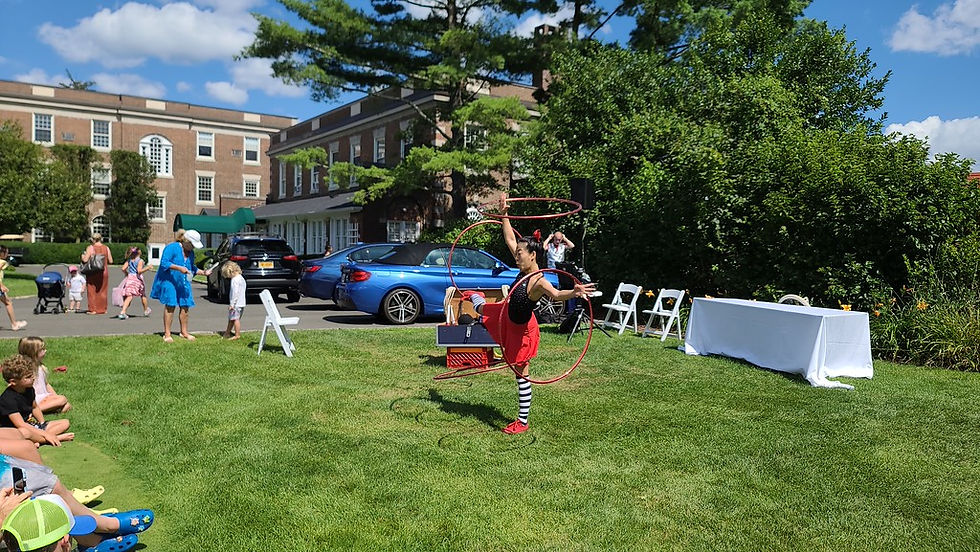
If an audience seems more interested in participating than watching, she can shift toward interactive activities when the setting allows.
The value isn't simply knowing more tricks.
It's having more ways to connect with people.
What Circus Education Teaches About Making Mistakes
Joyce's perspective on mistakes becomes even more interesting when you look at her work as a circus educator.
She began learning circus skills as an adult, around age 27. Today, she teaches children how to do things they might initially believe are impossible.
Through interactive circus workshops, participants can explore skills like juggling and balancing while discovering that mistakes are a natural part of learning.
Juggling is a perfect example.
To someone who's never tried it, keeping three balls moving through the air can seem like something that requires a special natural talent.
But Joyce approaches it as a progression.
Start with one ball. Then two. Gradually build toward more complicated patterns.
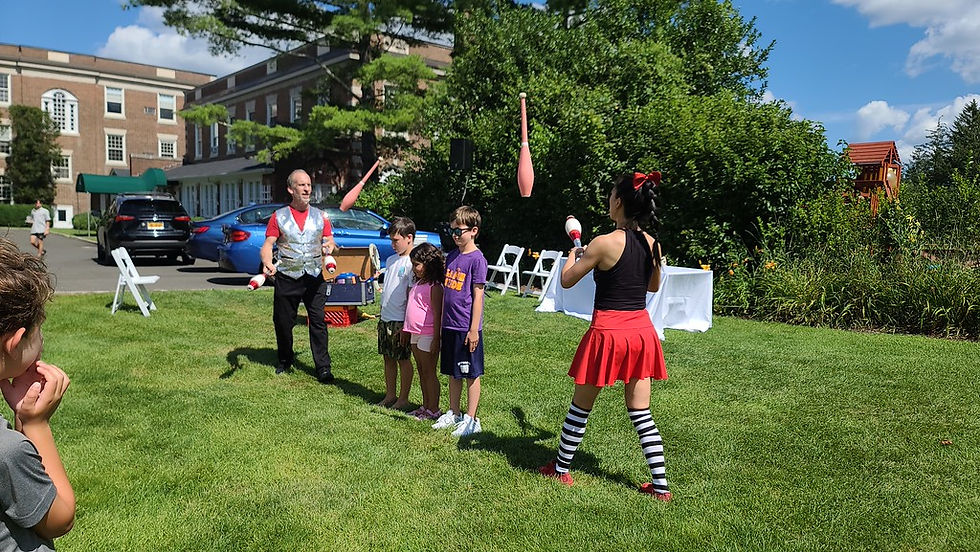
Along the way, dropping is expected.
In fact, Joyce believes that if students never drop anything, they may not be challenging themselves enough.
Of course, pushing students too hard creates another problem.
They can become discouraged.
And that's where her philosophy about teaching becomes particularly valuable.
The Goal Isn't Always a Perfect Final Performance
Joyce described working with elementary schools through circus education programs where students learn different circus skills during the week and eventually perform for their school and families.
That creates a challenge for the instructor.
You want the final show to look good. You want the students to succeed. You want the audience to enjoy what they've learned.
But Joyce has found that focusing too heavily on making the final performance perfect can take away from the learning experience.
Different children develop skills at different speeds. Some become comfortable quickly while others need more encouragement.
Trying to force everyone into an ideal performance can make the experience more stressful than enjoyable.
Joyce explained that she has to remind herself that the real goal is to inspire the students.
If they leave the program enjoying circus arts, they might continue practicing long after the instructors have gone.
If they leave feeling frustrated or embarrassed, they may never want to try again.
That's a lesson that extends far beyond juggling.
Sometimes the most successful learning experience isn't the one where everything goes perfectly.
It's the one that makes someone want to keep trying.
Why Adults Might Have Even More to Learn From Circus Arts
We often associate circus workshops with children, but Joyce offered a different perspective.
She believes adults can sometimes appreciate circus arts even more.
They understand how difficult certain skills are. They can recognize the control and practice behind a routine and they may learn some workshop techniques more quickly.
But there's another reason she enjoys teaching adults.
Adults don't always give themselves permission to look silly.
Children are generally more accustomed to trying things they haven't mastered. Adults often become reluctant to attempt something when they know they might fail in front of other people.
A circus workshop challenges that hesitation.
You pick up a juggling ball, try something unfamiliar and probably drop it.
Then you try again.
Joyce sees value in giving adults opportunities to play, make mistakes and enjoy learning without expecting immediate success.
She also pointed out that family events offer an interesting combination.
Children and parents can learn together, then potentially continue practicing at home.
It becomes more than watching an entertainer demonstrate a skill.
It becomes a shared experience.
The Best Performers Never Really Stop Learning
Toward the end of our conversation, Joyce reflected on how her relationship with circus arts has changed over time.
She started as an assistant in a juggling act, gradually developed her own abilities and eventually became a solo performer and educator.
Even now, she's thinking about what she wants to develop next.
She wants to incorporate more storytelling, movement, comedy and audience interaction into her performances.
What's interesting is that she isn't necessarily trying to make every trick more difficult.
She's trying to make the performance itself better.
That brings us back to the difference between knowing a skill and knowing how to entertain with it.
A technically impressive routine can capture someone's attention.
But a performer who knows how to connect with an audience, adapt to the environment and recover naturally when something goes wrong brings something else to the experience.
And sometimes, the moment when a performer drops something can reveal just how experienced they really are.
Watch the Full Conversation With Joyce Kung
Joyce shared much more about circus education, performing for different audiences, developing new acts and the experiences that shaped her career.
We also discussed her work entertaining military families overseas and how performing in unfamiliar environments has influenced her approach.
If you're curious about the people and skills behind live entertainment, you can watch our full conversation on Magical Memories Unlocked.

At Magical Memories Entertainment, conversations like this help us better understand the craft and perspective behind the entertainment we bring to events.
Because a great performance is about more than what someone can do.
It's about how they share it with the audience.
And as Joyce reminds us, sometimes getting better starts with being willing to drop the ball.
You can explore more conversations with working entertainers through our Magical Memories Unlocked series.
Comments