


Teaching Magic vs. Revealing Secrets: Why Learning the Trick Is Only the Beginning

There's a big difference between knowing how a magic trick works and actually being able to perform it.
Anyone who's ever purchased a beginner's magic kit has probably experienced this. You learn the secret, practice it a few times and suddenly realize that knowing what to do doesn't necessarily mean you can make it look magical.
The secret might take 30 seconds to explain. Making an audience believe something impossible just happened takes considerably more work.
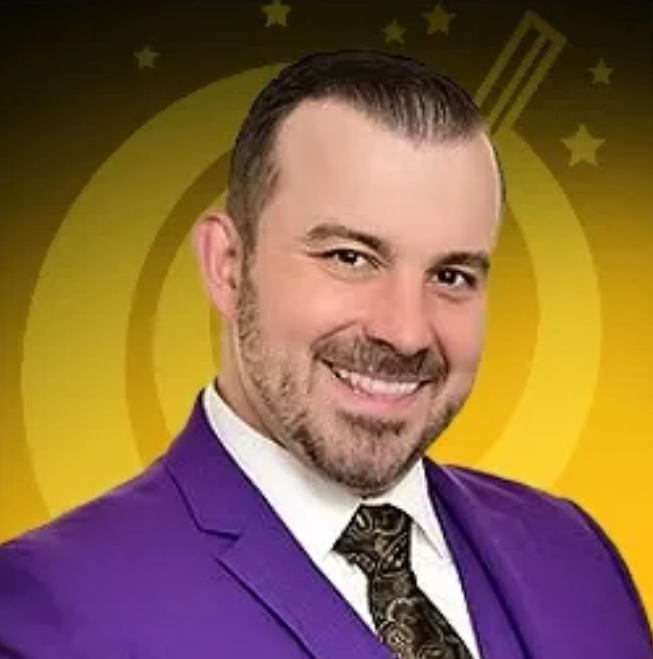
That's something magician Andrew Proto understands particularly well.
Andrew has spent years performing magic and mentalism while also working as an elementary school science teacher.
His experience highlights how children's entertainment combines technical skill with the ability to engage young audiences and make each performance memorable.
He teaches magic through libraries, summer camps and children's workshops, giving him an interesting perspective on what it actually takes to learn the craft.
During our conversation on Magical Memories Unlocked, I asked Andrew a question that led to one of my favorite discussions of the interview.
When you're teaching someone magic, aren't you basically just showing them how the tricks work?
His answer was much more interesting than a simple yes or no.
Teaching Magic and Revealing Magic Secrets Are Two Different Things
Andrew made a distinction that gets right to the heart of what makes magic a performing art.
"There's a big difference between teaching magic and revealing secrets."
When someone reveals a magic trick, they're explaining the method behind the illusion.
Once you understand the secret, the mystery is gone.
But that doesn't necessarily mean you've learned how to perform the trick.
Teaching magic involves giving someone the tools to recreate the experience for another person.

That means understanding not only what happens during a trick but also how to present it, what to say, where to look, how to move and how to manage the audience's attention.
Andrew explained that when he teaches his magic classes, he spends time covering the methods behind the tricks but also the decisions that make those methods work in front of an audience.
A beginner might learn how a particular object disappears, for example, but still struggle to make that disappearance convincing.
They might hold the object incorrectly, move at the wrong moment or accidentally draw attention to something the audience wasn't supposed to notice.
Learning the secret is only the starting point.
The Skills Behind a Successful Magic Trick
One of the interesting things about magic is how many different performance skills come together to create a single effect.
Andrew identified several areas he introduces when teaching children, even when they're learning relatively simple tricks.
Misdirection: Understanding Where the Audience Is Looking
Misdirection is one of the foundational concepts in magic.
It's often misunderstood as simply distracting somebody so they don't notice something happening.
But in performance, there's much more to it.
The magician needs to understand how attention works within the routine. A movement, a question or a moment of conversation can influence what the audience focuses on.

Andrew teaches students why particular actions and words are used and how they contribute to the overall effect.
The goal isn't simply to perform the correct sequence of actions. It's to understand how that sequence appears to the person watching.
Scripting: Knowing What to Say and Why
A magic trick isn't necessarily entertaining just because something impossible appears to happen.
The presentation matters.
Andrew spends time working with students on the words they use during a performance and why they're using those words.
For younger students, that might mean learning a short introduction, explaining what the audience should watch or creating a simple story around the trick.
It also means understanding timing.
A well-placed pause can make an effect more interesting. Too much explanation can make the same trick feel slow or confusing.
The words become part of the performance rather than something added after the method has been learned.
Body Language: Making the Difficult Look Natural
This was one of Andrew's particularly useful examples.
Imagine teaching a child a magic trick that requires holding a small box in a very specific way.
You explain exactly how to hold it.
The child understands and adjusts their grip.
Technically, they're now doing it correctly.
But there's a new problem.
They're concentrating so hard on holding the box correctly that their hands look unnatural.
An audience might not know the secret, but they can still notice when a performer is doing something awkward.
Andrew connects this challenge to his experience in theater, where performers learn about blocking, positioning and controlling their movements onstage.
In magic, students have to practice until the important movements stop looking like movements they're consciously trying to remember.
The real skill is making something carefully planned appear completely natural.
Why Practice Matters More Than Knowing the Secret
Learning a magic trick creates an interesting challenge.
Once you understand how something works, it's tempting to believe you've mastered it.
But understanding and performing are two different accomplishments.
Andrew wants his students to recognize that difference.
Even relatively simple beginner tricks can introduce concepts such as sleight of hand, scripting, misdirection and body posture.
Each requires practice.
A student might perform the method correctly but rush the presentation. Another might remember every word but forget to engage with the audience.
Someone else might execute the trick perfectly while staring at their own hands.
None of those problems necessarily has anything to do with the secret.
They're performance problems.
And that's why Andrew doesn't consider a magic class successful simply because everyone knows how the tricks work.
He wants students to understand how much thought and preparation goes into presenting them.
How Andrew Teaches Magic in Children's Workshops
Andrew's teaching experience goes well beyond the traditional classroom. His approach to magic workshops for children combines learning the secrets behind tricks with practicing how to perform them for an audience.
He's worked with public libraries to provide magic programming and teaches classes at summer camps. He has also incorporated magic instruction into birthday party experiences.
One approach he described involves bringing a simple trick that every child can learn and take home.
Rather than immediately explaining everything and sending the children on their way, he builds a short lesson around the experience.
First, students see the trick performed.
Then they learn how it works and discuss the presentation.
After that, they break into pairs and practice performing for one another before returning for additional guidance.
It's an important distinction.
The children aren't just learning something they can demonstrate. They're getting an opportunity to experience what it's like to be the performer.
That means making eye contact, remembering what to say, handling the props and responding to another person's reactions.
And when they take the trick home, they have something they can continue practicing with family and friends.
What Magic Classes Can Teach Beyond Magic
One of the questions I asked Andrew was whether children develop other skills through learning magic.
His answer was an immediate yes.
Andrew pointed to several abilities that are important in both magic and everyday communication.
Public speaking. Performing a trick gives children a reason to stand in front of other people and speak. Instead of presenting a report or answering a classroom question, they're sharing something they're excited to demonstrate.
Listening. A magician needs to pay attention to the audience. That includes hearing what people say and recognizing how they're responding.
Storytelling. Even a short routine has a beginning, a progression and a conclusion. Students learn how to organize what they're saying so an audience remains interested.
Social awareness. Performers need to recognize the energy of a room and adjust how they interact with people.
Improvisation. Live performances don't always go exactly as planned. Being comfortable responding to unexpected moments is part of learning to entertain an audience.
Andrew's background in theater influences how he approaches these concepts.
He isn't trying to turn a short magic workshop into an advanced acting class. In fact, he acknowledged that a 45-minute class only allows him to introduce some of these ideas.
But that introduction has value.
A child might arrive wanting to learn how to make something disappear and leave having practiced speaking in front of a group, telling a story and interacting with an audience.
Those are skills that extend well beyond the trick itself.
Why Longer Magic Classes Offer a Different Experience
There's also an interesting difference between learning one trick during a workshop and taking part in a longer series of lessons.
Andrew has taught magic at libraries through programs that meet weekly over several weeks.
At summer camp, he teaches weeklong classes that run for five consecutive days. He returns throughout the summer to work with different groups of campers.
Programs like these show how summer camp entertainment can go beyond a one-time performance, giving children opportunities to learn new skills and build confidence through practice.
That schedule allows him to build on what students have already learned.
Rather than introducing a trick and immediately moving on, he can work with children over several days and see how their skills develop.
He also sees some of the same campers return year after year.
One of his favorite parts of teaching is seeing children who have continued practicing between lessons.
He described how some students are primarily interested in finding out how the trick works, while others come back excited to share what they've practiced or tried with their parents.
That distinction says a lot about learning magic.
Curiosity about the secret might be what gets someone started.
But the desire to improve the performance is what keeps them learning.
Magic Is a Performing Art, Not Just a Collection of Tricks
There's an old idea in magic that magicians are really actors playing the role of someone who can perform magic.
It's a concept Andrew brought up during our conversation and one that connects much of what he teaches.
The audience isn't supposed to be thinking about the exact mechanics of what the performer is doing.

They're supposed to be experiencing the effect.
Andrew described something especially interesting about magic as an art form.
When a magician performs certain technical actions correctly, the audience may not perceive those actions at all.
All the practice, positioning and carefully considered movements are there to create something that appears effortless.
That's a strange challenge when you think about it.
In many skills, people can immediately recognize how difficult something is. They might watch an athlete complete an impressive physical feat or a musician play a complicated piece.
With magic, much of the skill is deliberately hidden from view.
The more natural the performance appears, the less the audience may realize how much work went into creating it.
That doesn't make the skill any less important.
It makes the ability to perform the trick just as interesting as the secret behind it.
See Andrew Proto Discuss the Art of Magic
Andrew's experience as both a teacher and performer gives him a useful perspective on the difference between demonstrating a trick and teaching someone to entertain with it.
Our conversation also explores mentalism, performing for different age groups, managing audience participation and the differences between stage and walkaround magic.
Andrew even performs an interactive card trick during the episode, giving viewers an opportunity to experience his style firsthand.

The Real Magic Happens After You Learn the Secret
One of the things I enjoy about hosting Magical Memories Unlocked is having the opportunity to explore parts of entertainment that audiences don't always get to see.
Andrew's explanation of teaching magic is a good example.
It's easy to look at a magic trick and assume the difficult part must be the secret.
But his teaching experience reveals a different perspective.
The method is just one part of the process. The rest involves practice, communication, timing, creativity and understanding the people watching.
For children learning magic, that opens up an opportunity to develop skills that have value even if they never perform another trick.
And for anyone watching a professional magician, it's a reminder that what appears effortless is often the result of a great deal of preparation.
Knowing how a trick works might answer the mystery.
Learning how to perform it is where the real work begins.
Magical Memories Unlocked is a weekly series from Magical Memories Entertainment featuring conversations with working entertainers about their craft, experiences and the work that goes into creating engaging live performances.
Join us live every Monday for another Entertainer Deep Dive.
Comments