


The Psychology of Clowning: Why Being the Fool Makes Kids Laugh

Think about how often young children are told what to do.
Parents give instructions. Teachers explain the rules. Older siblings seem to know everything. For much of their early lives, kids are surrounded by people who know more than they do.
Now imagine a grown man standing in front of them who can't seem to get anything right.
His magic tricks go wrong. He makes ridiculous mistakes. The children can see exactly what he's doing incorrectly, but somehow, he can't figure it out.
And the kids absolutely love it.
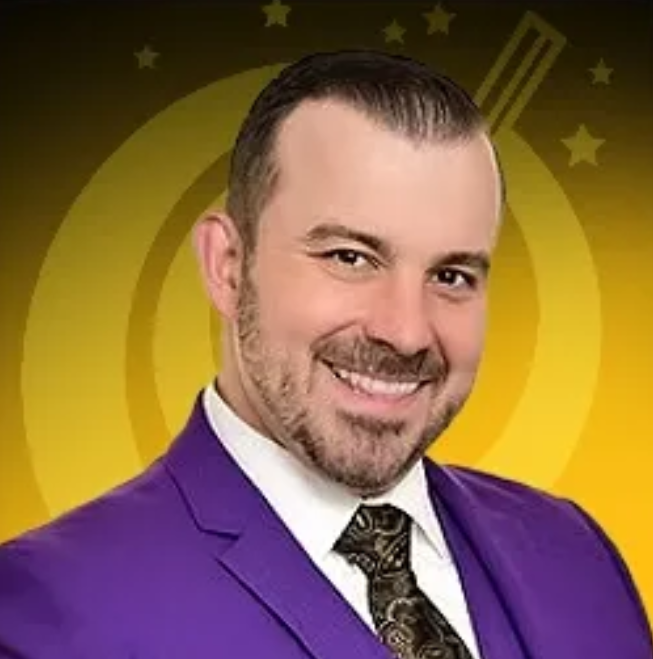
There's actually an interesting psychology behind that kind of comedy, and it's something professional clown Kevin Ryan has spent more than 25 years exploring through his character, Mr. Okey Dokey.
During a conversation on Magical Memories Unlocked: Entertainer Deep Dive, Kevin and I explored why theatrical clowning works so well with young children, how a performer builds that connection and why being the smartest person in the room isn't always the best way to entertain an audience.
Why Children Love a Clown Who Gets Everything Wrong
One of the most interesting observations Kevin shared was about the relationship between children and authority.
Young children spend most of their day learning from people who are older and more experienced. They're rarely in a position where they know more than the adult in front of them.
But clown comedy can completely reverse that relationship.
Kevin described how his character deliberately makes mistakes, allowing the audience to recognize what he's doing wrong.
A trick might appear to fail. A simple task suddenly becomes complicated. Something obvious to the children somehow escapes the clown entirely.
Kevin recalled a friend watching his performance and describing him with a particularly fitting observation:
"You are your own antagonist."
That description gets to the heart of his comedy.
Rather than needing an opposing character to create conflict, Kevin creates it himself. Mr. Okey Dokey is constantly getting in his own way.
The children aren't simply watching a performer demonstrate something impressive.
They're watching an adult struggle with something they believe they understand.
For a young child, that reversal can be hilarious.
Suddenly, they're the ones who know what's going on.
And there's another important element here: the mistakes aren't actually mistakes.
They're carefully incorporated into the performance to create opportunities for laughter, participation and surprise.
Comedy First, Magic Second
One distinction Kevin made during our conversation was how he approaches building his show.
A traditional magician might start with a collection of tricks and then figure out how to make the presentation entertaining.
Kevin approached it from the opposite direction.
He wanted to develop a comedy show first and then figure out how magic could fit into that experience.

That decision shaped the entire personality of Mr. Okey Dokey.
The magic isn't simply a series of demonstrations where the performer succeeds and everyone applauds. It's part of a larger comedic story in which things frequently don't go according to plan.
Of course, that doesn't mean the magic can always go wrong.
Kevin also recognizes the importance of having tricks that genuinely impress the audience, particularly as children get a little older.
For example, one of his signature routines involves a head-twisting illusion that creates a very different reaction from his deliberately unsuccessful tricks.
It's a balance between silliness and surprise.
The children spend much of the performance laughing at what the clown can't do. Then, when something genuinely amazing happens, there's an opportunity for a completely different response.
That's an important distinction between a comedy magic performance and a magic show that happens to include jokes.
Neither approach is inherently better. They're different forms of entertainment that create different audience experiences.
How Professional Clowns Connect With Children Who Are Afraid
Of course, not every child is immediately excited to see a clown.
Some children are hesitant around unfamiliar characters. Others associate clowns with frightening imagery they've seen in movies or television.
I asked Kevin how he handles those reactions, particularly when entertaining younger audiences.
His approach is surprisingly simple.
He doesn't make frightened children the center of attention.
Instead, he focuses on the children who are already comfortable and allows the hesitant ones to watch.
As the performance continues, those children have an opportunity to see that everyone else is having fun.
Kevin incorporates music, singing, bubbles and gentle comedy into his introduction, helping establish the character's personality before gradually increasing the energy.
He described performing for a classroom of three-year-olds who initially seemed uncertain about what was going to happen.
Rather than entering with a loud, exaggerated introduction, he peeked out from behind his magic box and started talking to the children.
Once they heard his voice and began understanding the personality of the character, they became more comfortable.
That experience reflects something Kevin learned over years of performing.
Early in his career, he approached nearly every show with maximum energy from the beginning.
Eventually, he realized that wasn't always necessary or effective.
As he put it:
"Let the show come to you."
It's a useful reminder that engaging an audience doesn't always mean being the loudest or most energetic person in the room.
Sometimes, especially with young children, a gentle beginning gives everyone a chance to become comfortable before the performance builds.
Kevin also acknowledges that some children may remain afraid regardless of what the performer does. His approach isn't about forcing every child to participate. It's about creating an inviting environment and allowing them to engage when they're ready.
Why Improvisation Is One of the Most Important Clowning Skills
Magic tricks can be practiced.
Jokes can be rehearsed.
Music can be timed.
But children are wonderfully unpredictable.
And that unpredictability is where an experienced entertainer's skills really become apparent.
Kevin shared several examples of performances that took unexpected turns because of something a child did or said.
In one particularly funny situation, a young child kept running up to help with every trick.
Rather than repeatedly stopping the show to redirect him, Kevin decided to work the situation into the comedy.
He suggested they play hide-and-seek.
The child enthusiastically went off to hide while Kevin continued performing.
The parents were laughing, the show kept moving and what could have been a distraction became another memorable part of the performance.
That kind of response isn't something a performer can necessarily script in advance.
It comes from understanding the audience, recognizing an opportunity and having the confidence to change direction without losing control of the show.
Preparation Makes Spontaneity Possible
Kevin's background in acting has played an important role in developing those skills.
Before becoming a children's entertainer, he studied acting and performed in New York City theater.
He credits those experiences with helping him develop the theatrical side of his clown character.
But he also believes the relationship works in reverse.
Performing for children has made him more adaptable because young audiences constantly introduce unexpected situations.
One of the most useful distinctions he made was between being prepared and being rigid.
A performer needs to know the material, understand the routines and be ready to deliver a complete show.
But once the performance begins, that preparation shouldn't prevent them from responding naturally to what's happening.
It's not about abandoning the plan.
It's about knowing the material well enough that you can depart from it when the moment calls for something different.
When a Show Goes Wrong and Somehow Gets Better
Kevin shared a story that illustrates this particularly well.
He arrived at an event with very little time to prepare. The schedule was tight, he hadn't had the opportunity to organize his equipment properly and the children were already gathering around him.
He needed to start performing almost immediately.
Instead of trying to force his usual routine under less-than-ideal circumstances, he began talking directly to the children using a microphone.
He invited them to introduce themselves and share little bits of information.
While one child was speaking, Kevin quietly prepared his next trick.
Then he'd perform the trick, return to the conversation and bring another child into the experience while preparing the next routine.
From his perspective, the show was chaotic.
But the children were having fun, the parents were laughing and the performance received an enthusiastic response.
What began as a difficult situation turned into one of the experiences he remembered most positively.
Of course, Kevin was quick to point out that he still prefers arriving early and being properly prepared.
The lesson isn't that preparation doesn't matter.
It's that a strong entertainer can recognize when the original plan needs to change and find another way to connect with the audience.
That's a skill that goes well beyond knowing how to perform a particular magic trick.
The Audience Is Part of the Comedy
Another interesting aspect of Kevin's performance style is how much room he leaves for children to contribute.
Young audiences don't necessarily behave like adults watching a theatrical performance.
They ask unexpected questions.
They say things that make everyone laugh.
They sometimes become more interested in helping the performer than watching the actual routine.
And they don't always understand that something is supposed to happen at a particular moment.
For Kevin, those interactions aren't necessarily interruptions.

They're potential opportunities.
He described performing at a restaurant when a child called out to ask what he was doing.
Rather than treating the question as a distraction, he responded:
"Well, I often ask myself that question."
The audience laughed because the response fit perfectly with his character.
Mr. Okey Dokey is supposed to be a little confused about what he's doing.
The child's question simply gave Kevin another opportunity to reinforce that personality.
It's a small example, but it reveals something important about theatrical clowning.
The comedy doesn't always come from what the performer planned.
Sometimes, the funniest moment happens because the performer recognizes something unexpected and knows how to respond.
Why Audience Connection Matters More Than Getting Every Laugh
There was another part of our conversation that I thought connected particularly well with the psychology of clowning.
Kevin discussed performing for audiences who don't always respond with the same level of visible laughter.
He has entertained senior audiences and people with different needs or abilities, sometimes encountering situations where the usual reactions are more subdued.
Earlier in his career, he sometimes interpreted that as a sign that the show wasn't working.
But over time, he realized that an audience could still be enjoying the performance even if they weren't reacting in the way he expected.
His approach became focused on maintaining the energy and continuing to create an enjoyable experience rather than measuring every moment by how loudly people laughed.
That led to a conversation about something I experienced while performing virtual shows for young children.
I call it the Blue's Clues effect.
Think about how children's television presenters ask a question, pause and then respond as though they've heard the audience answer.
Even when the performer can't actually hear a response, they maintain the interaction and keep the experience moving.
During virtual performances, I found that creating that same sense of interaction helped children become comfortable participating, even when they were initially quiet.
Kevin connected that idea to his own approach to clowning.
The performer establishes an inviting atmosphere and gives the audience opportunities to join in.
It's not just about delivering material.
It's about making people feel like they're part of what's happening.

And that's something Kevin believes is essential to comedy.
A performer can have excellent material, but if the audience doesn't connect with the person delivering it, much of the impact can be lost.
Clowning Is More Than Putting on a Costume
Something that became clear throughout our conversation is just how much work goes into making a deliberately ridiculous character believable.
Kevin didn't begin with a fully developed magic show.
His earliest performances incorporated musical games, a handful of tricks and plenty of silliness.
Gradually, he expanded the magic, developed new routines and added elements that suited the character.
He also learned which tricks worked best with different audiences and how to adjust his presentation through experience.
That evolution matters because a good clown performance depends on much more than the visual appearance of the character.
It requires comedic timing, audience awareness, character development, improvisation and the ability to recognize when something is working or needs to change.
These are the skills that make children's entertainment so memorable, turning playful performances into experiences that keep young audiences engaged.
Even a deliberately unsuccessful magic trick needs to be performed with enough control that the audience understands the joke.
The character may be confused.
The performer can't afford to be.
What Mr. Okey Dokey Teaches Us About Great Children's Entertainment
One of the reasons we created Magical Memories Unlocked was to explore what entertainers actually do and understand the thinking behind their work.
Kevin's approach to clowning is a great example of why those conversations matter.
From the outside, a children's comedy show might look like a grown-up being silly, making mistakes and performing a few magic tricks.
But behind that performance is a carefully developed understanding of how young audiences respond to humor, authority, surprise and participation.
Kevin knows that his character works especially well with younger children, generally from toddler age through about eight years old.
He also recognizes that older audiences may respond differently and that not every performance style is the right fit for every group.
That kind of understanding comes from experience and a willingness to keep learning.
After more than two decades of performing as Mr. Okey Dokey, Kevin is still refining his character, experimenting with routines and finding new ways to connect with the people watching.
And perhaps that's the most interesting lesson from our conversation.
A great clown doesn't need to be the smartest person on stage.
They need to be smart enough to know exactly when not to be.
Watch the Full Conversation With Kevin Ryan
There's much more to Kevin's story, including how he developed Mr. Okey Dokey, his background in acting and some of the unexpected experiences he's had throughout his entertainment career.
Watch our full Magical Memories Unlocked: Entertainer Deep Dive conversation to hear Kevin share his approach to comedy, magic and connecting with young audiences.

At Magical Memories Entertainment, we enjoy exploring what makes different entertainers and performance styles work. Understanding the craft behind the entertainment helps us appreciate the people who bring these experiences to life.
Join us for more conversations on Magical Memories Unlocked, where we take a closer look at the personalities, techniques and experiences behind live entertainment.
Comments