


The Art of Reading a Crowd: What Makes a Great Event Entertainer?

There is a difference between being good at performing and being good at entertaining a room full of people.
Someone can be an incredible dancer, an extremely talented DJ or a naturally funny person and still struggle to connect with an audience. Knowing your craft is important, but knowing how to bring other people into the experience is an entirely different skill.
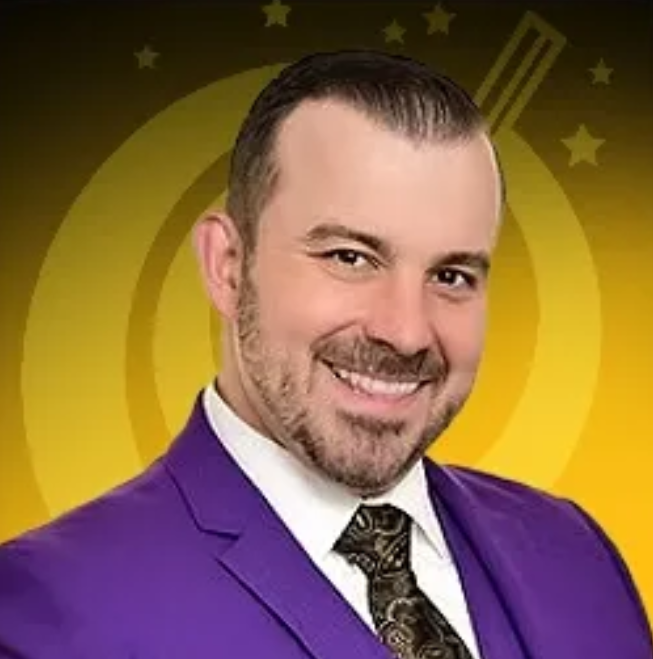
It's something that professional entertainer Ryan Schane has learned over more than two decades in the entertainment industry.
Ryan started break dancing when he was just 10 years old and began working professionally at 17. What started with performing at bar mitzvahs, Sweet 16s and other celebrations eventually expanded into DJing, MCing, hosting games and teaching dance workshops.
He's also been a longtime member of our team at Magical Memories Entertainment.
When I spoke with Ryan for Magical Memories Unlocked, one of the most interesting parts of our conversation was how much of his work has shifted from simply demonstrating a skill to understanding the people he's entertaining.
Because sometimes the most important thing an entertainer does isn't what happens on stage or behind the DJ booth.
It's what happens between the entertainer and the audience.
A Great Entertainer Knows How to Read the Room
Not every event needs the same energy.
Some parties call for a packed dance floor, loud music and nonstop excitement. Others need a more relaxed approach where entertainment supports the atmosphere without becoming the center of attention.
Ryan made an important distinction during our conversation: entertainment decisions should begin with understanding what the event is actually trying to accomplish.
A formal luncheon with 50 guests doesn't necessarily need the same entertainment team as a high-energy bar mitzvah with a room full of teenagers.
Even two events with similar guest counts can require completely different approaches.
A professional entertainer needs to recognize those differences rather than arriving with one performance style and expecting it to work everywhere.
This is particularly important when dealing with audiences who may not be naturally inclined to participate.
Some guests are ready to dance the moment the music starts. Others need a little encouragement. Some want to watch before deciding whether to join in.
Reading a crowd means recognizing those behaviors and making adjustments throughout the event.
Sometimes Connection Is More Important Than Showing Off
When Ryan first started working as a break dancer at parties, his role was largely about performing.

He would demonstrate his moves, interact with the kids and create excitement through the physical skill of breaking.
Over time, that role evolved.
Dancers increasingly became involved in leading group dances, supporting MCs and keeping guests engaged throughout an event rather than appearing only for individual performances.
The shift became especially interesting when we discussed how audiences themselves have changed.
Ryan remembers attending parties early in his career when teenagers seemed more naturally interested in participating. Today, he regularly encounters kids sitting at tables checking their phones, playing games or following sports scores.
That doesn't necessarily mean today's parties are less successful. It means entertainers sometimes have to work differently to capture attention.
Ryan's approach isn't to lecture guests about putting their phones away.
Instead, he looks for ways to connect with them.
It might be talking about basketball, video games, music or something happening on social media.
The point isn't the specific conversation.
It's establishing common ground.
For younger audiences especially, Ryan believes the entertainer needs to feel like someone they can have fun with rather than another adult telling them what to do.
An entertainer who walks into the room demanding participation may immediately create resistance.
Someone who builds a connection first has a better opportunity to invite people into the experience.
And that invitation can be far more effective than simply turning up the volume.
The Secret to a Great Dance Floor Might Already Be in the Crowd
One of my favorite insights from Ryan's interview was a strategy he uses at weddings.
Rather than relying entirely on the microphone to get people dancing, Ryan looks for someone within the group who already has the personality to bring others along.
He starts identifying these people before the main dance portion of the event even begins.
While interacting with the wedding party or guests, he pays attention to who is outgoing, who enjoys joking around and who seems comfortable being the center of attention.
Sometimes he'll develop a running joke or a friendly connection with one of those guests.
Then, when it's time to get the dance floor moving, he already has someone he can approach.
Instead of making a general announcement asking everyone to dance, he might call on that person directly.
Because they've already established a connection, the guest is more likely to respond.
And when other guests see someone they know participating, they're often more comfortable joining in themselves.
Ryan jokingly described this person as a kind of "sleeper agent" for the party.
It's a funny way of describing a genuinely useful entertainment strategy.
The entertainer isn't necessarily creating all the energy independently.
They're identifying energy that already exists within the group and helping it spread.

That's a very different approach from assuming the microphone alone is responsible for getting everyone involved.
Why People Are More Comfortable Participating Together
There is another important part of audience engagement that Ryan discussed: many guests don't necessarily dislike dancing.
They just don't want to be the first person on the dance floor.
Standing up and dancing in front of a room full of people can feel uncomfortable, especially when everyone else is sitting down watching.
But once several people are participating, the situation changes.
This helps explain why certain traditional group dances continue to work at events even when people insist they don't want them.
Songs like the "Cha Cha Slide" and "Cupid Shuffle" give guests a familiar activity they can do together.
Ryan pointed out that these dances provide an opportunity for people who don't consider themselves strong dancers to participate without feeling singled out.
Everyone is following the same movements.
Nobody needs to invent their own routine.
And someone who might hesitate to dance alone may happily join a group.
It isn't necessarily about the popularity of one particular song.
It's about creating an environment where participation feels accessible.
That same principle can apply well beyond a dance floor.
Whether it's one of the interactive game shows, a team activity or another interactive performance, people are often more willing to participate when they feel they're part of something rather than being put on display.
Getting People Involved Without Making It Feel Forced
Ryan shared another technique he frequently uses at weddings.
When a couple has their first dance or special family dances, he often encourages them to invite other guests onto the dance floor toward the end.
For example, instead of having the couple dance alone throughout an entire song, friends and family might join them after the first minute or so.
Now there are already people standing together on the dance floor.
The DJ can transition into an upbeat song and some of those guests may naturally stay and continue dancing.
It's a relatively simple adjustment, but it changes the starting point.
Instead of asking a room full of seated guests to get up and begin dancing, the entertainer is encouraging people who are already participating to keep going.
Ryan also recommends considering shorter first dances for couples who aren't comfortable performing in front of a crowd.
A full three or four minute slow dance can feel surprisingly long when all eyes are on you.
Of course, couples who have prepared a choreographed routine or genuinely want the full song may prefer something different.
The important point is to think about how the moment will feel, not simply how it looks on a schedule.
Ryan summed up the idea of inviting guests into those moments with a particularly good question: "Why stop at the edge of the dance floor?"
The people attending have come to celebrate together.
Sometimes the best way to build energy is to give them a natural opportunity to share the experience.
The DJ, MC and Dancers Have Different Responsibilities
Another topic that came up repeatedly was how different entertainment roles contribute to audience engagement.
It's easy to think of a DJ, MC and party dancer as interchangeable parts of the entertainment team.
Professional DJ and MC entertainment works best when each role supports the event's music, announcements and audience engagement.
In practice, they each serve a different purpose.
The DJ manages the music and responds to the musical needs of the event.
The MC helps guide the audience, make announcements, coordinate important moments and maintain the flow of the celebration.
Dancers or party motivators work directly among the guests, encouraging participation and interacting with smaller groups.
Ryan compared the relationship to different parts of the same body working together.
A dancer might encourage a group of teenagers to join the dance floor while the MC is coordinating with the venue about when dinner will be served.
Meanwhile, the DJ is preparing the next musical transition.
These things often need to happen at the same time.
Ryan explained that while one person can technically DJ and MC an event, combining the roles also creates limitations.
For example, an entertainer managing several individual introduction songs may need to focus on preparing the next track rather than interacting with the crowd.
Neither approach is automatically right for every event.
But understanding the responsibilities helps explain why different entertainment teams can create different experiences.
It also reinforces a larger lesson from the conversation.
The entertainment itself is only one part of the job.
The rest involves paying attention to what's happening around you.
A Great Entertainer Doesn't Always Need to Be the Loudest Person in the Room
One of the questions I asked Ryan was whether technical ability or the ability to connect with people matters more.
His answer was that they serve different purposes.
A highly skilled break dancer can immediately capture attention with an impressive performance.
Sometimes an explosive moment is exactly what a party needs to get started.
Other times, an entertainer who can casually relate to guests and encourage them to participate is more effective.
Ryan doesn't see those abilities as mutually exclusive.
The real skill is understanding when to use each one.
A spectacular performance might get everyone looking in the same direction.
A personal connection might convince them to become part of what happens next.
Both can be valuable.
And the best choice depends on the audience.
The Difference Between Playing Music and Creating Someone's Party
That same philosophy carries into Ryan's work as a DJ.
During our conversation, we discussed the difference between someone who performs at clubs and someone who specializes in private events.
Ryan was careful to acknowledge that club DJs can be exceptionally talented technically.
But the goal of a private event DJ is often different.
A club DJ may build a set around their particular musical style and the experience they want to create.
An event DJ needs to consider the people who hired them, their musical preferences and the kind of celebration they're imagining.
When providing wedding entertainment, Ryan's goal is to use music that connects the couple with their favorite memories and the people who share those memories.
That might include songs from their younger years, favorite artists or music they associate with friends and family.
He also considers guest requests, but not every request automatically belongs in the playlist.
The DJ still needs to judge whether a song fits the moment, how it will affect the room and whether it aligns with what the hosts want.
This requires more than the technical ability to transition between tracks.
It requires listening, interpreting and making decisions in real time.
And sometimes knowing when not to play something is just as important as knowing what to play.
Experience Teaches You What the Audience Doesn't Always See
One of the broader lessons from Ryan's career is how much professional entertainment happens behind the scenes.
Guests usually see the final performance.
They don't necessarily see the preparation, adjustments and small decisions that make that performance successful.
A professional MC may be coordinating with the venue while continuing to entertain guests.
A DJ might be changing the musical direction because the audience is responding differently than expected.
A dancer might be building a personal connection with a small group of guests who haven't participated yet.
These decisions don't always draw attention to themselves.
Often, that's exactly the point.
The entertainer is trying to make the experience work for the people attending, not constantly remind everyone how much work goes into making it happen.
Ryan's background also demonstrates how different kinds of performance experience can inform one another.
His years as a break dancer taught him how to capture attention.
His work as an MC taught him how to guide a room.
DJing requires him to respond to musical preferences and changes in audience energy.
Teaching break dancing workshops gives him another opportunity to work directly with participants of different abilities and comfort levels.
Those skills may look separate on paper, but they share an important foundation.
Understanding people.
Watch the full conversation with Ryan Schane.

Ryan joined me on Magical Memories Unlocked to discuss his career in entertainment, working with different audiences and the lessons he's learned from performing at events.
The Best Entertainment Makes People Feel Part of Something
There is no single formula for engaging every audience.
Some groups respond to big performances and exciting moments. Others respond to humor, conversation or a familiar song that brings everyone together.
What Ryan's experience demonstrates is that professional entertainment requires more than a rehearsed skill.
It requires paying attention.
Recognizing when the crowd needs energy and when it needs space.
Understanding who wants to participate and who needs a little encouragement.
Knowing when to lead and when to let the audience create its own moments.
After more than 20 years in the industry, that's a perspective worth sharing.
It's also one of the reasons we created Magical Memories Unlocked. Through conversations with the entertainers who do this work every day, we get a better understanding of the skills, decisions and experiences behind live entertainment.
And sometimes the most valuable thing an entertainer can bring to an event isn't another trick, dance move or song.
It's knowing how to make the people in the room feel like they're part of the show.
Comments