


The Real Skill Behind a Versatile Entertainer: Knowing How to Read the Room
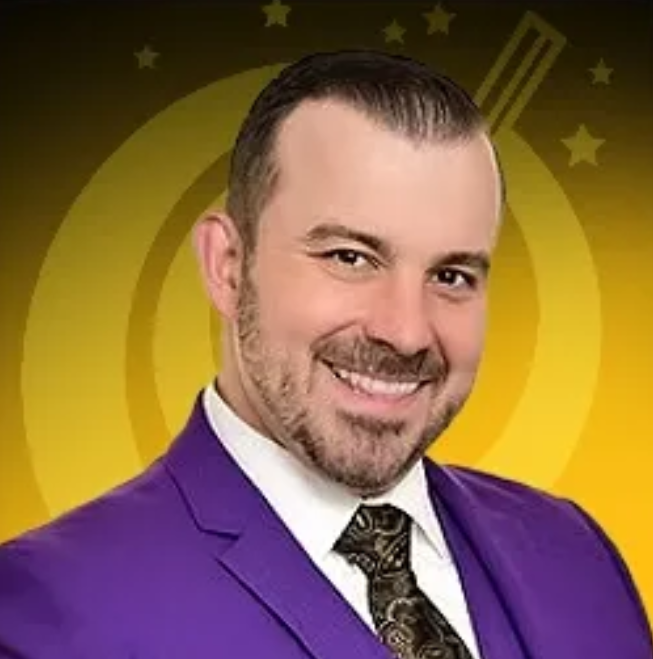

What does a balloon twister, a superhero character performer, a magician, a bubble entertainer and a line dance instructor have in common?
On the surface, not much. Each requires different skills, different equipment and a different approach to entertaining an audience.
But there's something that connects all of them, and it has less to do with the actual entertainment than you might think.
It's the ability to read the room.
That was one of the biggest themes that emerged during my conversation with Elvy, a performer who works with Magical Memories Entertainment and has developed quite a collection of entertainment skills over the years.
For our Magical Memories Unlocked: Entertainer Deep Dive conversation, we explored everything from balloon twisting and character performances to dinosaur shows, bubble entertainment and even country line dancing.
What made the conversation particularly interesting wasn't simply how many different things Elvy could do. It was how he approached each one.
Because knowing how to perform is one thing. Knowing how to adjust that performance to the people standing in front of you is another skill entirely.
Being Versatile Means More Than Knowing Multiple Skills
Elvy didn't originally set out to become an entertainer.
While attending New York University, where he studied philosophy and initially considered law school, he started working with elementary school students through a work-study program.
That experience eventually led him to take on several jobs simultaneously. He worked as an assistant teacher, a children's swim instructor, a birthday party entertainer and a bar trivia host.
Each job put him in front of a different audience and required him to interact with people in a different way.
Over time, his entertainment skills continued to grow.
Balloon twisting led to more elaborate creations. Character appearances allowed him to combine his interest in acrobatics with performing. He learned stilt walking, developed his magic performances and expanded into bubble shows.
More recently, he even found himself teaching country line dancing to adults at a country club.
It's an unusual combination of skills, but there's an important distinction here.
Being versatile doesn't mean performing every activity the same way. It means understanding what each activity and each audience requires.
Elvy's background working with children in educational, recreational and entertainment settings helped him recognize those differences.
As he explained, the way he interacts with children as a teacher isn't necessarily appropriate at a birthday party. The expectations, responsibilities and relationships are different.
The same principle carries into live entertainment.
A successful performer needs to recognize the environment they're stepping into and adjust accordingly.
The Secret to Keeping Young Audiences Engaged
One of the most revealing parts of our conversation came when we discussed entertaining very young children.
Elvy had just finished a busy series of dinosaur shows featuring Kota the Triceratops, an experience that gave us a chance to talk about how he manages groups of young children.
Something he emphasized was the importance of movement.
When working with younger audiences, he doesn't simply stand in one place and deliver information.
He moves around, changes his position, gets down to their level and uses animated movements to keep their attention.
If he notices children starting to lose focus, he changes what he's doing rather than continuing with the same approach.
He also incorporates music, colorful props and simple interactive activities.
That's one reason interactive children's entertainment works so well when activities are designed around the ages, interests and energy levels of the group.
For example, when discussing magic shows for very young children, Elvy pointed out that colorful effects can engage children even when they aren't old enough to fully understand the magic itself.

The same goes for parachute games. The combination of bright colors, movement and simple participation gives younger children something they can enjoy without needing complicated instructions.
But what I found particularly useful was how he handled the opposite problem.
What happens when the children aren't just losing interest, but becoming too excited?
Knowing When to Bring the Energy Down
High energy is a major part of Elvy's performance style.
He's comfortable running, jumping, dancing and incorporating acrobatics into his performances.
But his dinosaur shows demonstrated why keeping an audience excited isn't always the goal.
During the program, he needed children to transition from high-energy games into a calmer interaction with Kota the Triceratops.
Rather than repeatedly telling everyone to quiet down, he introduced an activity called Dino Egg.
At the beginning of the program, he taught the children that whenever he called out "Dino Egg," they should sit down, bring their knees up and become quiet dinosaur eggs.
Throughout the show, that gave him a playful way to bring the group back together.
He also used slow breathing exercises and dinosaur-themed movements to help the children settle before meeting Kota.
The activity worked because it was part of the entertainment rather than an interruption to it.
The children weren't simply being told to stop having fun. They were participating in another part of the experience.
That's a meaningful distinction.
Audience engagement isn't always about increasing excitement.
Sometimes the most effective thing a performer can do is recognize when it's time to slow everything down.
How Humor Can Turn a Quiet Audience Into an Active One
Another example from Elvy's dinosaur shows involved a game called "Truth or Silly."
The children were supposed to respond to statements about dinosaurs by identifying whether they were true or silly.
Initially, some children were hesitant to participate.
Rather than pushing them for answers, Elvy started making the statements more obviously ridiculous.
When talking about a pterodactyl, for example, he would demonstrate an obviously incorrect way of moving, waddling around like a duck or crawling across the floor.
The children knew it was wrong.
They started laughing, calling out "Silly!" and becoming more comfortable participating.
As the movements became more exaggerated, their reactions grew stronger.
Elvy explained that he had initially been focused on teaching the children about dinosaurs.
But he realized they responded more enthusiastically when he incorporated humor into the activity.
The educational content didn't need to disappear.
He simply changed how he delivered it.
Sometimes the best way to get an audience involved is to make participation feel easy and enjoyable before asking them to do something more challenging.
This idea applies well beyond children's entertainment.
People are generally more willing to participate when they feel comfortable and understand what's expected of them.
And sometimes a little silliness can make all the difference.
Reading the Room Also Means Recognizing When Someone Is Uncomfortable
One of the most important skills Elvy discussed was recognizing when his usual high-energy approach wasn't appropriate.
Character entertainment provided a particularly interesting example.
Elvy enjoys bringing characters to life through movement, dancing and physical performance.
But not every child reacts positively when a large character approaches them.
Some children are fascinated. Others are hesitant or genuinely frightened.
When Elvy notices a child is uncomfortable, he changes his approach.
Instead of becoming more animated, he slows down.
He gets closer to the child's eye level, gives them space and allows them to approach when they're ready.
Sometimes he'll offer a hand for a high five rather than immediately moving in for a hug or photo.
The goal is to let the child become comfortable at their own pace.
He also discussed situations where parents are eager to get a photo even though their child clearly doesn't want to approach the character.
It's an important reminder that the guest's experience matters more than getting a particular picture.
A character interaction that feels exciting to one child may feel overwhelming to another.
Recognizing that difference is part of the performer's job.
And sometimes the right decision is to give someone space rather than trying harder to engage them.
Improvisation: What Happens When the Performance Doesn't Go as Planned?
Live entertainment rarely happens in perfectly controlled conditions.
Sometimes the audience responds differently than expected.
Sometimes an activity takes longer than planned.
And sometimes the weather decides to become part of the show.
Elvy shared a great example from an outdoor bubble entertainment performance.

It was an especially windy day, which created a problem for some of the bubble effects he was trying to demonstrate.
The wind kept interfering with the bubbles.
Instead of repeatedly attempting the same trick while the audience waited, Elvy turned the wind into a character in the performance.
Suddenly, the wind wasn't just bad weather.
It was the villain trying to stop the bubbles.
He encouraged the children to yell at the wind and tell it to stop.
When the wind continued interfering, he made that part of the comedy too, pretending that the children shouldn't notice the bubbles being blown away.
The situation became a running joke.
What could have been an awkward series of failed demonstrations became another opportunity for audience participation.
That doesn't mean every problem can be solved through improvisation. Elvy also explained that detailed bubble effects are generally better suited to controlled indoor environments, while large outdoor bubbles can actually benefit from having some wind.
The difference is understanding which activities work in which conditions.
But the broader lesson is valuable.
An experienced entertainer doesn't necessarily need everything to go perfectly. They need to recognize what's happening and know how to respond.
That ability becomes especially important during live events, where the audience doesn't get a second take.
Building Confidence One Step at a Time
Another interesting example came from an entirely different type of entertainment.
Country line dancing.
Elvy had recently taken on a line dance instructor role at a country club, working with adults rather than the children who make up much of his regular audience.

One thing he recognized was that many participants weren't experienced dancers.
Jumping straight into complicated country line dances could have made the experience intimidating.
So he started with something familiar.
The Macarena.
From there, he moved into dances such as the Wobble and the Electric Slide before introducing more involved country line dancing.
This progression gave people an opportunity to recognize movements they already knew, become comfortable participating and gradually learn more complicated steps.
The Electric Slide was especially useful because it introduced movements such as the grapevine, which also appear in many country line dances.
Rather than treating every dance as a completely separate skill, Elvy used familiar movements to help participants develop confidence.
It's the same basic idea he applied to the children's dinosaur games.
Start with something the audience can comfortably participate in.
Give them an opportunity to succeed.
Then build from there.
Whether someone is learning a dance or participating in an interactive children's show, confidence can have a significant impact on their willingness to get involved.
The Difference Between Performing for an Audience and Performing With One
As we continued discussing Elvy's experiences, another idea became clear.
He doesn't particularly enjoy standing apart from the people he's entertaining.
He prefers becoming part of the experience.
At birthday parties, that might mean playing along with the children rather than simply demonstrating an activity.
During character appearances, it means bringing personality and movement into the role rather than standing still for photographs.
In his dinosaur shows, it means acting out the stories and participating in the games.
During line dancing, it means dancing alongside the guests.
Obviously, not every entertainment role allows the same level of interaction.
But Elvy's approach highlights the value of making an audience feel involved rather than simply asking them to watch.
One of the examples he shared was a dinosaur show where he acted out a story about searching for fossils and discovering Kota.
Rather than simply telling the story, he used his movements and physical expressions to create suspense.
Afterward, one of the children asked him to tell another story.
That reaction mattered because the storytelling wasn't necessarily the central attraction.
It was the way he presented the story that made the audience want more.
An entertainer can have impressive skills, but knowing how to connect those skills with the people in front of them is what gives the performance meaning.
Every Audience Is Different, Even When the Entertainment Is the Same
Near the end of our conversation, I asked Elvy what he considered important for a successful event.
One of his recommendations was to understand the audience before the entertainment begins.
How many children will be there?
What are their ages?
Are they particularly energetic?
Are they shy?
Are there individual needs the entertainer should know about?
He explained that these details help him understand how to approach a group.
For example, during one of his dinosaur programs, a camp director shared useful information about a child who was on the autism spectrum.
That child turned out to be especially knowledgeable about dinosaurs and frequently shared facts with Elvy throughout the program.
Elvy welcomed that interest and used the interaction as an opportunity to learn more himself.
The advance conversation helped him understand the group and approach the experience more thoughtfully.
This is an important distinction for event planners as well.
Knowing what entertainment has been booked is only part of the equation.
Understanding who will experience that entertainment can be just as valuable.
And the most useful information isn't always complicated.
Sometimes simply knowing that a particular group is shy, energetic or excited about a specific subject can help a performer make better choices.
The Part of Entertainment People Remember
Toward the end of our conversation, Elvy shared a story that brought everything together.
He was working at an event when a child approached him and recognized him from another birthday party.
The child remembered that Elvy had made them a balloon.
Other children began recognizing him from the same party.
For Elvy, who performs at numerous events and meets so many people, remembering every individual interaction can be difficult.
But for those children, the interaction had stayed with them.
That led us into something I've always believed about the entertainment industry.
For a performer, an event may be one of several jobs that week.
For the people attending, it could be a moment they remember for years.
A child's fifth birthday only happens once.
That particular celebration only happens once.
And while a performer may have made thousands of balloon animals or performed the same routine hundreds of times, the person experiencing it may be seeing it for the very first time.
That's something we emphasize at Magical Memories Entertainment.
The entertainment itself matters, but so does the way people feel while experiencing it.
And that's what makes the ability to read an audience so important.
The Real Skill Behind Being a Jack of Many Trades
There's no question that Elvy has developed an unusually broad collection of entertainment skills.
From balloon twisting and stilt walking to magic, bubble shows, character performances and line dancing, he's continually learning new things.
But after spending time discussing those experiences, what stands out isn't the collection of individual talents.
It's the judgment behind when and how he uses them.
Knowing when to increase the energy.
Knowing when to slow down.
Recognizing when someone needs encouragement and when they need space.
Finding humor when something doesn't go as planned.
Making a complicated activity feel approachable.
And remembering that every audience deserves a performance suited to them.
Those are the abilities that connect all the different things Elvy does.
Because being a jack of many trades is impressive.
But knowing how to use those skills to connect with people is what makes someone an entertainer.
Watch Our Conversation With Elvy
We explored these ideas and plenty more during Elvy's appearance on Magical Memories Unlocked: Entertainer Deep Dive.
From the unexpected challenges of character performances to bubble shows, balloon twisting, line dancing and his journey into the entertainment industry, our conversation offers a closer look at what goes into performing for different audiences.

Magical Memories Unlocked is our ongoing series exploring the people, ideas and experiences behind live entertainment.
Join us live every Monday for another conversation about the entertainment industry and the people who make it happen.
Comments