


How DJs Read the Crowd and Know What to Play Next
Updated: 20 hours ago

A great song doesn't automatically make a great dance floor.
You can play one of the biggest party hits of the year and watch everyone walk away. Then somebody requests a song you never would have considered and suddenly the entire room comes alive.
That's one of the interesting challenges of being a professional DJ. You're not just choosing music people recognize. You're constantly trying to figure out what a particular group of people wants to hear at that particular moment.
That's what makes DJ entertainment more than simply playing music. It's about reading the room, adapting to the audience and creating an experience that fits the celebration.
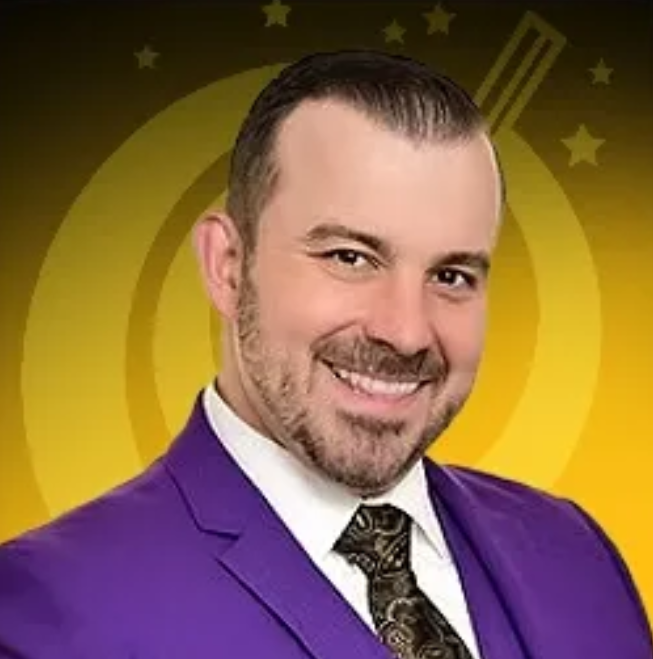
On Magical Memories Unlocked: Entertainer Deep Dive, I had the opportunity to explore this with Josh Burris, better known as DJ Pisces.
Josh has been DJing for 14 years, spending much of his career performing in clubs before expanding into private events, weddings, school dances and other celebrations.
Throughout our conversation, we kept coming back to one idea: The best music selection isn't necessarily the DJ's favorite song or even the client's favorite song. It's the right song for the room at the right time.
And figuring that out involves more judgment than people might realize.
Reading the Dance Floor Is About Paying Attention
Every DJ has songs they expect to work.
Maybe it's a familiar party anthem, a popular line dance or a song that's been getting a strong reaction at recent events.
Josh mentioned "Uptown Funk" by Mark Ronson featuring Bruno Mars as one of his reliable selections. It's the kind of song he expects to get a response from a wide range of audiences.
But even a dependable party song isn't guaranteed to work everywhere.
Different groups respond to different music. A school dance won't necessarily react the same way as a wedding reception. School dance entertainment requires a different approach from a wedding reception, since younger audiences may respond to different music, pacing and levels of interaction.
Josh described his approach as being a chameleon.
Rather than walking into an event determined to play a particular set, he adjusts his music and performance style to the audience in front of him.

For younger crowds, that might mean more microphone interaction, sound effects and faster transitions. For older audiences, he might take a more relaxed approach and let familiar songs play longer.
The important distinction is that he's not asking the audience to adapt to his performance style. He's adapting his performance to the audience.
That's an important part of what separates simply playing music from entertaining a room.
Sometimes the Audience Knows Something the DJ Doesn't
One of my favorite parts of our conversation involved a Sweet 16 where the guests weren't consistently staying on the dance floor.
Josh described a group that would dance to one song and then scatter when the next one started.
A guest approached him with a request.
She wanted to hear "Jump" by Kris Kross.
Josh wasn't convinced that a group of teenagers would be particularly interested in that song. He asked her what would happen if he played it.
Her answer was simple: "We're going to jump."
It was a useful reminder that a DJ's assumptions about an audience aren't always correct.
A song's original release date doesn't necessarily tell you whether younger guests know it.
Music gets rediscovered through social media, movies, viral videos and online trends.
During our conversation, I shared a similar experience from a school event where students requested "Maps" by Yeah Yeah Yeahs.

It wasn't something I expected that particular group to request. But when the song played, the students started performing a dance they recognized from an online trend.
Without knowing that context, the request might have seemed completely out of place.
The lesson is that the audience sometimes has information the DJ doesn't.
Requests can reveal shared interests, inside jokes, cultural references and trends that aren't immediately obvious from looking at the crowd.
That's why listening to guests can be just as valuable as watching them.
A Song Request Is Also Information
Josh explained that when a dance floor isn't responding, taking requests can help him discover what the audience actually wants.
Sometimes a song he wouldn't have selected produces exactly the reaction he's been trying to create.
That doesn't mean every request should immediately interrupt the current music.
The DJ still needs to consider the timing, the overall atmosphere and how the requested song fits with everything else happening.
But dismissing requests simply because they don't match the DJ's expectations can mean missing an opportunity to connect with the room.
Why DJs Don't Always Play the Entire Song
Another interesting part of our conversation was how differently audiences respond to the length of a song.
Josh explained that he often uses a faster mixing style, especially for younger audiences.
Instead of playing every song from beginning to end, he may skip a lengthy introduction or transition after the first verse or chorus.
His reasoning comes from watching how certain crowds respond.
When he notices guests losing interest during the second verse, he knows it may be time to move to something else.
But there's an important catch.
Not everyone likes fast mixing.
Josh acknowledged that some older audiences prefer hearing the complete song. They may be disappointed when a DJ cuts away before their favorite section.
I actually brought up a disagreement I'd had with another DJ years ago about this exact subject.
I've always appreciated hearing a full song, especially when it's one I really enjoy. But I also recognize that audiences and listening habits change.
The takeaway isn't that fast mixing is better or that full songs are outdated.
It's that even the length of time a DJ plays a song should depend on the audience.
A skilled DJ recognizes when people want to enjoy a familiar song and when they're ready for the next one.
The Science and Judgment Behind Song Transitions
One of the questions I asked Josh was why DJs sometimes tell someone they need a few minutes before playing a requested song.
To someone listening, it might seem simple.
The song is available. The DJ has it in their library. Why not play it immediately?
Josh explained that an abrupt change can disrupt the entire atmosphere.
Imagine a dance floor moving to an upbeat dance track. Someone requests a slow song and the DJ immediately switches to it.
The energy changes.
Now imagine the next person requests a rock anthem.
Jumping directly between those songs might feel awkward, even if everyone likes them individually.
That's where mixing techniques come into play.
Understanding BPM and Musical Key
DJs often consider two important musical characteristics when transitioning between songs.
BPM (beats per minute) describes the tempo of a song. It helps DJs understand how quickly the music is moving and whether two tracks can transition naturally.
Musical key relates to the tonal structure of a song. Matching compatible keys can help certain transitions sound more natural.
Josh explained that he's been developing his ability to match musical keys while also considering BPM when building transitions.
He prefers finding a combination that works together when possible.
Of course, not every transition needs to be perfectly matched.
Sometimes a dramatic change is exactly what the room needs.
The skill is recognizing when a change will create excitement and when it will interrupt the momentum.
That brings us to something I discussed with Josh during the interview.
A playlist can play one song after another, but a DJ is making decisions about how those songs fit together.
It's not just about what comes next.
It's about how you get there.
Getting People Onto the Dance Floor
Reading a crowd is important, but sometimes the first challenge is simply getting people to participate.
Josh shared a couple of techniques he uses depending on the event.
At some weddings, he may begin with a slow dance to encourage couples onto the floor.
Another approach is gathering guests for a group photo.
Once everyone is together, he can transition into an upbeat song and invite them to stay and dance.
Both approaches address a basic challenge: people sometimes need a reason to take that first step onto the dance floor.
Once they're there, the atmosphere can change.
That doesn't mean either method works for every event.
A school dance, wedding and corporate celebration can require completely different approaches.
But Josh's examples demonstrate that DJs aren't limited to choosing songs. Their microphone skills, timing and interaction with guests can also influence participation.
What Happens When Nobody Wants to Dance?
This might be the most important reality Josh discussed.
Sometimes people simply don't want to dance.
And that doesn't automatically mean the event is unsuccessful.
Josh recalled another Sweet 16 where the guest of honor had provided a playlist filled with energetic songs.
She expected her friends to be enthusiastic dancers.
But when the event arrived, the younger guests weren't responding as anticipated.
Even familiar dance songs weren't producing the reaction Josh expected.
Interestingly, the adults were much more willing to participate.
Instead of spending the entire event trying to force the teenagers onto the floor, Josh began adjusting the music toward the adults while continuing to give the younger guests opportunities to join.
He also recognized that attendance had affected the event. Some of the expected guests hadn't shown up, which changed the group dynamic.
There's an important distinction here.
A DJ can influence the energy of an event, but they can't completely control how guests choose to participate.
Some people enjoy listening to music, talking with friends or simply being present without dancing.
As entertainers, we want people to have a good time. A packed dance floor is certainly one way to recognize that.
But it's not the only way.
Sometimes being a good entertainer means recognizing what the room is actually enjoying rather than forcing the experience you originally imagined.
Preparation Matters Just as Much as Improvisation
Although much of our conversation focused on adapting during an event, Josh also emphasized how much happens before the first song plays.
For weddings, he spends time reviewing schedules, confirming music and discussing details with the couple.
Careful planning is equally important in wedding entertainment, where music, timing and coordination help each part of the celebration flow smoothly.
He also considers the practical aspects of the venue.

How much space is available?
Where will the speakers go?
How far does the equipment need to travel from the parking area?
Are there stairs?
What lighting conditions will he be working with?
Josh was particularly candid about the challenges of moving equipment through difficult spaces and managing limited setup time.
He described situations where a venue's layout required him to change his setup because there wasn't enough room for the original arrangement.
He also explained that he brings his own 5G internet connection rather than relying entirely on venue Wi-Fi.
These are examples of how he personally prepares to reduce potential problems.
And while they might not be the most visible parts of DJing, they affect what happens once guests arrive.
The better a DJ understands the event beforehand, the more attention they can give to the audience during the performance.
The Most Important Lesson: Don't Make the Event About Yourself
Toward the end of our conversation, I asked Josh what advice he would give other DJs.
His answer brought everything together.
"Don't make it about you. Make it about the client."
That's a straightforward idea, but it's easy to lose sight of when you're performing events regularly.
Josh explained that something that feels like another ordinary workday to an entertainer might be one of the most important celebrations of someone else's life.
A wedding, a Sweet 16 or even a simple family gathering can be something people have been anticipating for months.
He shared how meaningful it was when guests expressed their appreciation after his performances.
One school event particularly changed his perspective. The students responded with so much enthusiasm that he began thinking differently about what his work meant.
It wasn't simply about playing music anymore.
He wanted to create that kind of connection again.
That really connects with how I think about entertainment at Magical Memories Entertainment.
We may work on events every day, but our clients don't necessarily experience them that way.
For someone planning a special celebration, this might be the one opportunity they've set aside to bring their favorite people together.
Our job is to respect that.
And that brings us back to reading the crowd.
It's not about showing off the DJ's favorite music or proving how well they can mix.
It's about paying attention to the people who came to enjoy themselves and making decisions that help them have the best experience possible.
Watch the Conversation with DJ Pisces
Josh and I covered quite a bit more during our conversation, including how he developed his DJ skills, the lessons he learned transitioning from clubs to private events and what continues to motivate him after years in entertainment.
If you're interested in the thinking behind a DJ's performance, the full conversation offers a closer look.

Magical Memories Unlocked: Entertainer Deep Dive is our opportunity to have conversations with the entertainers who bring events to life and share more about their craft, experiences and perspectives.
Because the more we understand what goes into great entertainment, the more we can appreciate the people making it happen.
Comments