


How DJs Read a Crowd and Keep the Dance Floor Moving

A DJ can spend hours preparing the perfect playlist, but the real test begins when the music starts playing.
A song that seems like an obvious crowd favorite might get very little reaction. Another song that doesn't seem particularly danceable might have an entire room singing along.
That's one of the interesting things about DJing. You can prepare for the event, but you can't completely predict the people.
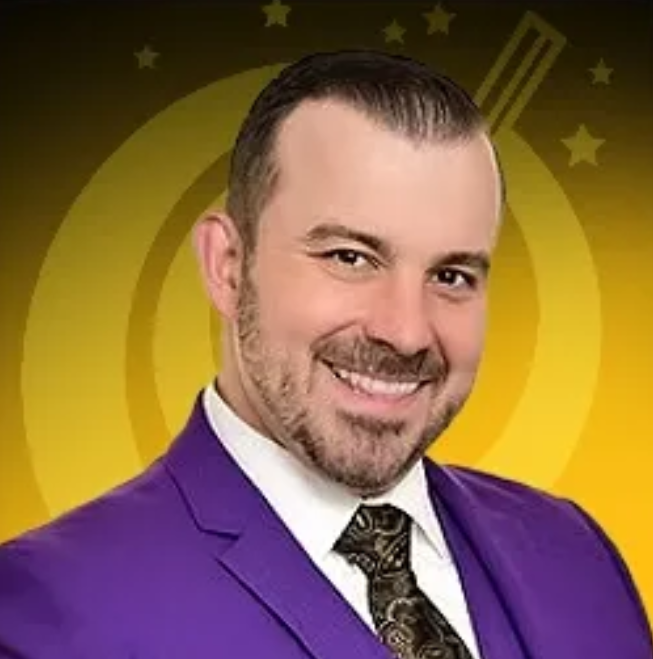
During a conversation on Magical Memories Unlocked: Entertainer Deep Dive, I spoke with DJ Alan Sama, who has more than 25 years of DJ experience, about how he approaches music, audiences and the decisions that happen behind the DJ booth.
One of the biggest themes in our conversation was that a DJ's job isn't simply to play good music. It's to understand the people listening to it.
A Great DJ Plays for the Audience, Not for Themselves
Most people have their favorite songs, artists and genres. DJs are no different.
But Alan explained that one of the most important lessons he learned throughout his career was to look beyond his own musical preferences.
Early in his DJ journey, he discovered that playing for other people meant learning what they enjoyed rather than relying on the music he was already comfortable playing.
That meant exploring different genres, decades, remixes and combinations of songs.
It's an important distinction because a DJ might know thousands of songs and still struggle to connect with an audience if the music doesn't reflect the people in the room.
Alan approaches each event by trying to understand the atmosphere the client wants to create and the musical preferences of the guests who will be attending.
The goal isn't to demonstrate how much music he knows.
It's to choose music that makes sense for that particular audience.
How DJs Build a Playlist Without Knowing Exactly What They'll Play
One of the questions I asked Alan was how much music a client really needs to provide.
Some people have a handful of favorite songs. Others arrive with hundreds of selections and a very specific idea of what they want to hear.
Alan is comfortable working with either approach.
He explained that even a few songs can reveal a great deal about someone's musical taste.
Those selections give him clues about preferred genres, decades, energy levels and styles.
For example, if a couple provides approximately an hour of music for a wedding reception with two or more hours of open dancing, that gives him a meaningful starting point.
He can build around those selections using his experience with songs that complement one another.
But preparation goes much further than collecting requests.
Alan described how he organizes music for different parts of a wedding, including the ceremony, cocktail hour, introductions, formal dances and reception.
He reviews the client's selections and prepares music for the different moments of the event.
The important part is that the playlist provides direction without eliminating flexibility.

A prepared DJ understands what the client wants while still having room to respond to what happens in front of them.
Reading the Dance Floor Means Understanding the People
When people talk about reading a crowd, they often imagine a DJ watching the dance floor and deciding whether to play something faster or slower.
There's more to it than that.
Alan explained that he considers the ages of the guests, their musical backgrounds and the kinds of songs that might bring different groups together.
A wedding might include grandparents who enjoy classics from the 1960s and 1970s alongside younger guests whose musical preferences are completely different.
Rather than focusing immediately on one group, Alan often looks for music that can bring a wider range of guests onto the dance floor.
He mentioned songs such as "Celebration" and Earth, Wind & Fire's "September" as examples of familiar selections that can work well when opening a dance set for a multigenerational audience.
That doesn't mean those songs belong at every wedding.
It means their familiarity and energy can make them useful starting points when they match the crowd.
Once people begin participating, the DJ has more information to work with.
Which songs are getting a reaction? Who is dancing? Are guests singing along? Is the energy building or starting to fade?
Those reactions help shape what happens next.

Why the Wedding Party Can Influence the Entire Room
One detail from our conversation that stood out was Alan's approach to the couple's closest friends and family.
He described the wedding party as the people who can help establish the energy for everyone else.
When the people closest to the couple are genuinely excited about the music, that enthusiasm can encourage other guests to participate.
It's not necessarily about choosing the most popular song.
It's about finding something that resonates with the people who are most likely to get involved early.
That initial participation can make a difference in how comfortable the rest of the room feels joining in.
Sometimes the Unexpected Song Works Best
One of my favorite examples from the conversation involved pop punk music.
Alan explained that he had initially been uncertain about how well some of those songs would work on a dance floor.
Music from bands such as Blink-182 is certainly familiar to many audiences, but familiarity doesn't always translate into dancing.
What surprised him was how strongly people responded.
Guests sang along, became nostalgic and brought their own energy to the music.
It demonstrated something worth remembering: a successful dance floor isn't always built around traditional dance songs.
Sometimes people want to jump around. Sometimes they want to sing with their friends.
Sometimes the emotional connection to a song matters more than its tempo.
A DJ who understands those differences can use music in more creative ways.
The same principle applies when clients request songs that might seem unusual for their event.
Alan recalled receiving requests for older hip-hop and house music that he didn't necessarily expect to hear at particular weddings.
But those selections meant something to the people requesting them.
Understanding that connection is part of understanding the audience.
Why Flexibility Matters More Than Following a Perfect Setlist
Preparation is important, but Alan repeatedly returned to the value of flexibility.
He described situations where clients contacted him with changes shortly before an event or even while the reception was underway.
In one instance, a bride asked him to include more music for older guests.
Rather than treating that request as an interruption, he looked for a natural opportunity to make the adjustment.
That's an important part of the craft.
A DJ shouldn't necessarily abandon the current song or abruptly change the entire atmosphere every time someone makes a request.
Instead, the challenge is recognizing when a different selection can fit naturally into the flow of the event.
Alan also asks couples ahead of time whether they want guest requests accepted at all.
Some welcome them. Others prefer that the music stay close to their prepared playlist.
Both approaches can work.
What matters is understanding the client's expectations and respecting the direction they've established.
Knowing When to Change Direction
A DJ has to balance several things at once.
The client may love one style of music while the broader audience responds better to something else.
Certain guests may want to keep dancing while others are ready for a break.
An announcement, a formal dance or another scheduled activity may create an opportunity to change the musical direction.
Those moments require judgment.
For Alan, the objective is to make adjustments in a way that feels natural rather than disruptive.
And sometimes the best decision is to continue with what's already working.
Cultural Awareness Is Part of Reading a Crowd
Reading an audience also means recognizing that musical preferences are shaped by culture, family traditions and personal experiences.
Alan speaks both English and Spanish and has worked at celebrations involving different cultural backgrounds.
During our conversation, he pointed out that even the description "Spanish music" is far too broad to tell a DJ what a particular audience wants.
A couple with Peruvian family traditions may have different musical preferences from a couple whose family background is Dominican, Puerto Rican or Mexican.
And even within the same culture, generations and individual families may celebrate differently.
That's why Alan asks clients about their specific preferences rather than assuming that a particular background automatically calls for certain songs.
The same consideration applies to announcements and traditions.
Some couples want introductions in both English and Spanish. Others have specific cultural activities they want incorporated into the reception.
In those situations, the DJ's role may involve more than selecting music. It can include providing enough explanation so guests unfamiliar with a tradition can understand what's happening and feel included.
The lesson is that understanding a crowd requires listening to the people who know that crowd best.
The Same Crowd Reading Skills Apply Beyond Weddings
Although much of our conversation focused on weddings, Alan also discussed DJing for children's parties, school events, corporate gatherings and other celebrations.
The principles are similar, but the execution can be very different.
With younger audiences, he often places more emphasis on direct participation.
Games such as freeze dance, musical chairs and limbo can help get children involved rather than expecting them to dance continuously.
He also pointed out that children's musical preferences aren't always as predictable as adults might assume.
For example, he recalled students requesting Kate Bush's "Running Up That Hill" after the song gained renewed attention through Stranger Things.
It was a song he already had in his 1980s music collection, but he hadn't expected that particular audience to request it.
That's another reminder that people discover music in different ways.
A song's original release date doesn't necessarily determine which generation will connect with it.
Participation Can Be More Important Than Continuous Dancing
Alan also hosts karaoke, trivia and musical bingo.
These activities offer different ways to engage guests who may not want to spend an entire event on the dance floor.
He described a karaoke experience where nobody volunteered for the first 15 or 20 minutes.
Then one person stepped up.
Once that happened, others began joining in and a line formed.
The music hadn't necessarily changed. What changed was the audience's willingness to participate.
It's a useful example of how crowd engagement sometimes depends on creating the right opportunity rather than simply playing another song.
Whether someone is dancing, singing, playing a game or cheering on a friend, they're still participating in the event.
The Best DJs Are Constantly Paying Attention
Alan has been DJing for more than 25 years, but one of the things he emphasized throughout our conversation was that he's still learning.
New songs emerge. Older songs become popular again. Audiences change. Different venues create different challenges.
Even familiar events can present situations a DJ hasn't encountered before.
That willingness to learn also applies beyond music.
Alan discussed the importance of coordinating with photographers, videographers and venue staff so that announcements, formalities and other important moments happen when everyone is ready.
It's another form of awareness.
The DJ isn't operating independently of the rest of the event. They're part of a larger experience that involves guests, clients and other professionals.
The more attention they pay to what's happening around them, the better equipped they are to make decisions that support the event as a whole.
Watch the Full Conversation With DJ Alan Sama
There's much more to DJing than selecting songs, and Alan shares additional stories about wedding receptions, cultural celebrations, equipment, preparation and the lessons he's learned throughout his career.
Our conversation is part of Magical Memories Unlocked: Entertainer Deep Dive, where I speak with working entertainers about their craft and the experiences that shape how they perform.

The Real Skill Is Knowing What the Audience Needs
One idea kept coming up throughout my conversation with Alan: the best results happen when an entertainer is willing to listen.
Listening to the client before the event.
Paying attention to the guests once the music starts.
Recognizing when a song is connecting with people and when it's time to try something different.
There isn't a universal playlist that works for every crowd.
A song that fills the dance floor at one event might not have the same effect at another.
And a selection that looks unusual on paper might become one of the most memorable moments of the evening.
That's what makes DJing an interesting craft.
The music matters, but understanding the people matters just as much.
At Magical Memories Entertainment, conversations like this are part of why we created Magical Memories Unlocked. They give us an opportunity to explore the experience, preparation and professional judgment behind live entertainment.
Because when you understand what goes into the performance, you start to appreciate how much is happening beyond the music.
Comments