


More Than Just Footage: How Event Videographers Tell a Story
Anyone can point a camera at an event and record what's happening. But turning those recordings into a video that actually tells a story is an entirely different skill.
Think about a wedding, a corporate celebration or even a live performance. There might be hours of footage covering everything from the decorations and speeches to the dancing and unexpected moments.
Yet the final video might only be a few minutes long.
So how does an editor decide what stays, what gets cut and how everything fits together?
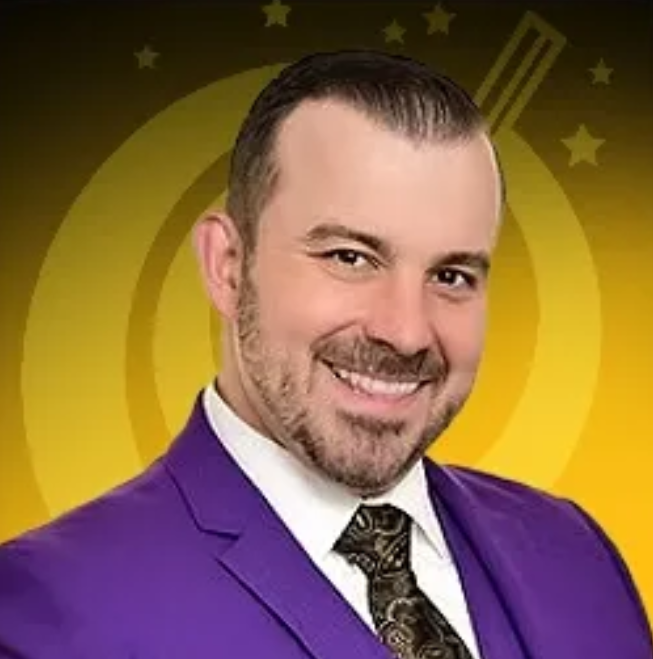
That's something I wanted to explore with Paul Jaigua, a professional videographer and editor who joined me for an episode of Magical Memories Unlocked: Entertainer Deep Dive.
Paul has spent approximately a decade editing video and several years working behind the camera. What makes his perspective particularly interesting is that he learned to edit before becoming a videographer.
That means when Paul looks through a camera, he's often already thinking about how the footage will work in the finished film.
And as we discussed, that changes the entire process.
A Great Event Video Starts Before the Camera Starts Recording
One of the first things Paul explained was that professional videography involves considerably more preparation than most people realize.
Before arriving at an event, a videographer needs to understand what's happening, who is involved and what the finished video is supposed to accomplish.
For a wedding, that might mean reviewing the itinerary, identifying important family members and understanding which moments the couple wants preserved.
For corporate events, it might involve identifying speakers, important guests, brand messaging or specific presentations that need to appear in the final video.
But there's another consideration that can be just as important.
What kind of story does the client want to tell?
Some people want an emotional film built around meaningful conversations and personal moments. Others prefer something energetic with music, movement and exciting visuals.
Those approaches require different decisions throughout the production process.
As Paul explained, understanding the client's expectations during preproduction helps determine which footage needs to be captured in the first place.
Because no matter how talented an editor might be, they can't create a shot that was never recorded.
Videographers Who Understand Editing See the Event Differently
This was one of my favorite technical insights from our conversation.
Paul explained that he approaches videography with an editor's mindset.
Instead of simply recording attractive images and figuring out what to do with them later, he's actively thinking about how individual shots will connect.
He described one technique he likes to use when filming a location.
Imagine the camera moving across a room. As it moves, a pole or another foreground object briefly passes in front of the lens.
That moment creates an opportunity.
During editing, Paul can use the movement of that object to transition naturally into footage of another location.
The resulting transition can appear almost seamless because it was planned while the footage was being captured.
That's a good example of how videography and editing work together.
The camera movement isn't just about making an individual shot look interesting. It's also about creating something the editor can use later.
Paul also discussed gathering different types of footage, including establishing shots that show the overall setting and detail shots that focus on smaller elements.
Those images become pieces of a larger puzzle.
The editor's job is to figure out how they fit together to communicate the experience.
And when the person shooting already understands that puzzle, they can make more intentional choices throughout the event.
The Editing Room Is Where the Story Comes Together
Once an event ends, the footage is only the beginning of the next stage.
Paul walked through the process of organizing footage, selecting useful shots, choosing music, adjusting colors and building the final sequence.
What stood out was how much work can go into something that appears incredibly simple to the viewer.
For example, imagine someone requests a 30 second highlight video.
That sounds easy enough.
It's only 30 seconds, right?
But as Paul pointed out, the length of the finished video doesn't necessarily reflect the amount of work involved.
He has worked with Indian weddings spanning multiple days. Turning three days of celebrations into a 30 second video means reviewing the available material and deciding which moments best represent the entire experience.
Those choices take time.
Paul estimated that a polished 30 second edit might take four or five hours, depending on the footage and the complexity of the project.
That wasn't presented as a universal production standard. It was an example of how much work even a short finished product can require.
Editing Is More Than Cutting Clips Together
Selecting footage is only one piece of the process.
Paul also discussed color correction and the difference between raw footage and the final edited video.
Professional cameras can capture footage that is intended to be adjusted during postproduction. Depending on the camera settings and recording format, that footage may look noticeably different before it has been color corrected or graded.
An editor might adjust exposure, contrast, highlights and color to create a more consistent appearance across different shots.
Music also affects the final result.
The pace of the editing, the order of the clips and the relationship between visuals and sound all influence how viewers experience the story.
Two editors could receive the same footage and create entirely different films.
One might emphasize dramatic visuals and movement.
Another might focus on dialogue, emotional moments and the relationships between people.
Paul described his own editing style as particularly focused on narrative and dialogue.
He's looking for the story and trying to bring it full circle.
That's an important distinction.
The goal isn't necessarily to include every impressive shot. It's to select the footage that serves the story being told.
Why the Videographer's Job Is Part Creative and Part Human
Cameras, lenses and editing software are important, but Paul's approach also revealed how much videography depends on understanding people.
At a wedding, guests aren't actors. They're celebrating.
At a corporate event, speakers and participants may be focused on delivering a message rather than performing for a camera.
And in either setting, not everyone feels comfortable being filmed.
Paul talked about the importance of getting to know people, making a good first impression and adjusting his approach based on their personalities.
Some people enjoy being directed and posed. Others would rather the camera capture them naturally.
Paul generally prefers candid moments but recognizes that certain situations call for more direction.
He also described situations where he deliberately steps away rather than continuing to film.
If someone is having an embarrassing or uncomfortable moment, capturing it isn't necessarily the right thing to do.
That reveals an aspect of professional videography that rarely appears in equipment specifications.
A videographer has to make decisions about what deserves to be captured and how people should be represented.
Sometimes the most professional decision isn't about getting the shot.
It's about knowing when not to.
Working With Photographers Without Interrupting the Event
Another interesting part of our discussion involved the relationship between photographers and videographers.
Both professionals are trying to document important moments, often while working in the same limited space.
That creates situations where cooperation matters.
Paul explained that he frequently allows the photographer to lead during posed portions of a wedding.
He can then work around those arrangements or ask for a few additional seconds to capture movement for video.
The photographer might arrange a couple for a portrait while Paul looks for a way to turn that same moment into a moving sequence.
Neither professional is necessarily trying to capture the exact same thing.
Photography preserves a particular instant.
Videography has to consider what happens before and after that instant.
For Paul, communication and flexibility are essential to making the arrangement work.
That collaborative approach helps the production team document the occasion without making the couple or guests feel like they're spending the entire event on a film set.
Capturing a Moment Is Different From Preserving Its Meaning
Our conversation eventually moved beyond the technical side of videography.
We talked about why people want their events filmed in the first place.
Photos are incredibly valuable. They can capture expressions, relationships and beautiful moments that people return to for years.
But video preserves additional dimensions of an experience.
You can hear someone's voice.
You can watch the way they move.
You can listen to a speech or see how someone reacts when a particular song starts playing.
Those details can become more meaningful as time passes.
Paul shared something personal that brought this point into focus.
His mother has passed away, and his wedding video contains footage of them dancing together.
For Paul, that recording has become one of the memories he is particularly grateful to have.
It wasn't about how frequently he watched his wedding film. In fact, he admitted that he doesn't revisit it all that often.
It was about knowing that the moment had been preserved.
Years later, he can return to it.
That story captured something important about the lasting value of wedding videography.
The significance of a recording isn't always obvious when it's being created.
Sometimes a seemingly ordinary moment becomes one of the most valuable parts of the entire video.
And sometimes the footage that matters most isn't the elaborate camera movement or the perfectly composed scene.
It's two people dancing together.
When the Unexpected Becomes the Most Powerful Part of the Film
Paul also shared an experience from a live spoken word performance.
He was filming a performer whose storytelling became so emotional that the entire room fell silent.
Paul described holding his camera and trying to remain steady while being affected by the performance himself.
There was a sense that everyone in the room was completely absorbed in what was happening.
For a videographer, moments like that can't always be planned.
You can prepare your cameras, choose your angles and make sure the equipment is ready.
But you can't manufacture a genuine emotional reaction from an audience.
You have to recognize it when it happens.
And you have to be ready to capture it.
Paul also talked about the smaller unexpected moments that can make a video work.
Someone walking into the frame at exactly the right time, an interesting movement in the background or sunlight hitting a scene in a way that creates a particularly beautiful image.
Those opportunities are part of the creative side of videography.
They require someone who is paying attention not only to the event schedule but also to everything happening around it.
Watch the Conversation With Paul Jaigua
Paul's perspective comes from years of working on weddings, corporate projects and other live productions, along with his experience editing a feature length documentary about musician José Feliciano.
In our conversation, we explored everything from shooting techniques and editing decisions to the differences between traditional videography and today's social media content creation.
If you're interested in what happens behind the camera and inside the editing room, there's plenty more to explore in the full discussion.

The Best Event Videos Don't Just Show What Happened
One of the biggest takeaways from my conversation with Paul is that great event videography involves much more than operating a camera.
It requires preparation, technical knowledge, creativity, communication and an understanding of how individual moments fit into a larger story.
The best shots aren't always the most complicated ones.
Sometimes they're the ones that help the audience understand the people, emotions and experiences behind the event.
That's one of the reasons we enjoy having these conversations through Magical Memories Unlocked.
At Magical Memories Entertainment, we work with professionals across many different areas of live entertainment. Understanding how those professionals think, prepare and approach their craft gives us a better appreciation for what goes into the finished experience.
And Paul's story reminds us that while the editing process may involve hours of careful decisions, the result can preserve something that lasts far beyond the event itself.
Sometimes the most meaningful part of an event video is a moment you didn't realize you'd want to watch again.
Want to explore more conversations with entertainment professionals? Join us every Monday for Magical Memories Unlocked, where we go behind the scenes with the people who make live events happen.
Comments